Where Terroir Becomes Wine
Our overriding goal in the cellar is to go beyond the basic principles of certified organic winemaking and bring the terroir carried in the juice to its highest possible concentration in the bottle.
For us, vinification is therefore less about imposing a style than about removing everything that might stand between the vineyard and the finished wine. The work begins with healthy, physiologically ripe fruit, continues through careful handling and spontaneous fermentation, and ends with wines that are given the time they need to develop without being hurried into release.
In our understanding, that is the only thing that gives us, as humans, the right to support nature in expressing itself.
It is also the basis on which it makes sense — and is ecologically justifiable — to send our wines over great distances to people who can, at the same time, taste the particular spot of earth that sets them apart from good wines made anywhere else.
The Harvest
Our oenological preparations start in the vineyard, well before the fruit reaches the cellar.
Our yields are naturally very low. The combination of our soils, climate and growing conditions means that we do not need to carry out a conventional green harvest to reduce excessive crop loads. The vineyard already limits its own production.
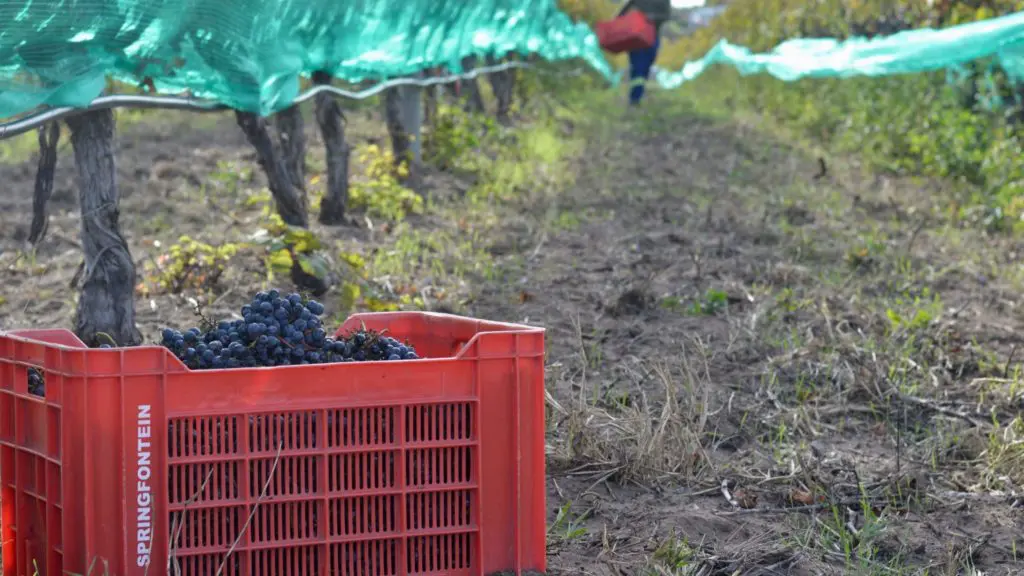
When the time comes, everything is hand-picked. Harvesting by hand allows us to work parcel by parcel and bunch by bunch, selecting the fruit already in the vineyard rather than leaving all decisions to the cellar.
Each parcel may be picked in separate passes, because the optimum moment does not necessarily arrive for every bunch at the same time.
The first sorting therefore takes place in the vineyard itself. Pickers select only healthy, suitable bunches and leave behind anything unripe, damaged or otherwise unsuitable. The fruit that reaches the cellar has already passed this first selection.
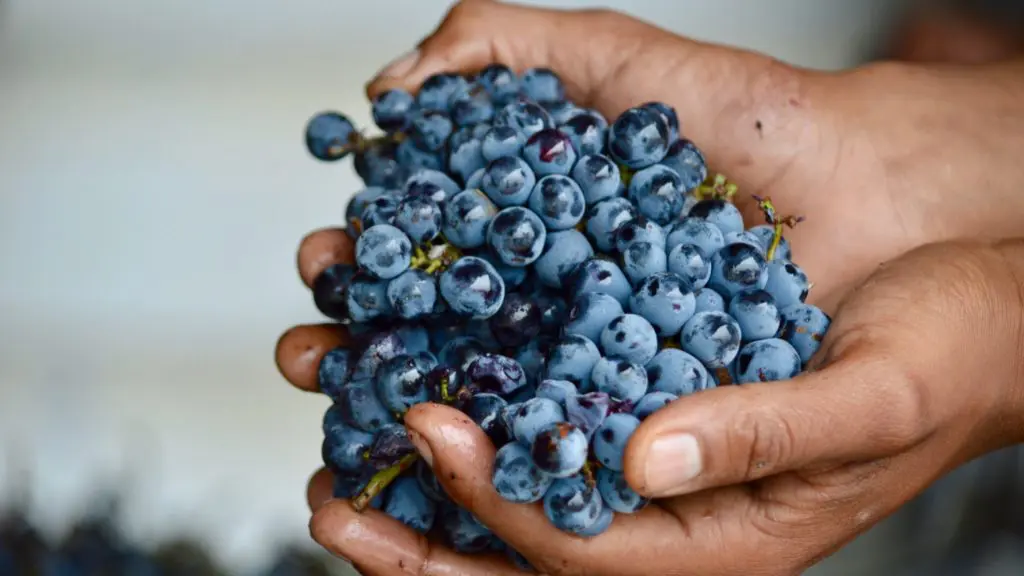
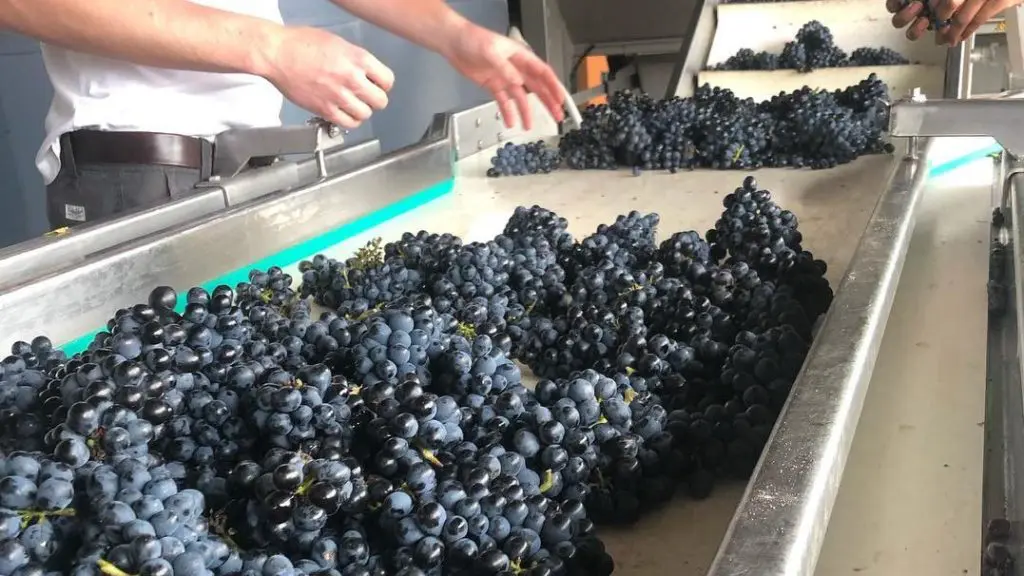
Once at the winery, there is a second sorting process before processing. Every batch is carefully inspected again by hand, allowing us to remove any berries or bunches that do not meet our standards. It is deliberately slow work, but it means that what enters the fermentation vessel is fruit we are happy to work with — rather than something we have to correct later.
Ripeness itself is judged by more than sugar content. We look primarily at the physiological condition of the stems, seeds and skins: their maturity, texture and flavour.
Sugar is an important analytical parameter, but for us it does not define the moment of harvest.
After picking and sorting, the crop spends a night in a cold room at around 5°C. This delays fermentation until we are ready to begin working with the fruit.
When fermentation eventually starts, it is not triggered by a selected commercial culture. It comes exclusively from the wild yeasts already present on the grapes from the vineyard.
The Vinification
Our approach in the cellar is built around one simple principle: keep the living fruit in contact with itself for as long and as intensively as possible.
Rather than separating the juice from the solid parts of the berry as quickly as conventional winemaking often does, we use the skins, seeds and, where appropriate, whole berries as active components of the fermentation. This is why our white wines can ferment on their skins, why our reds may macerate for several months, and why enzymatic-anaerobic whole-berry fermentation is used for both whites and reds in parts of the cellar.
The intention is not extraction for its own sake. It is to give the natural yeast, the juice and the physical components of the grape enough time together for the wine to build structure and complexity from the fruit itself.
After hand-sorting removes any unripe or inferior berries, we favour small containers — generally under 700 litres — allowing us to select, observe and treat each batch precisely. A vineyard parcel is not necessarily uniform, and we do not want the cellar to force different lots into the same process simply for the sake of efficiency.
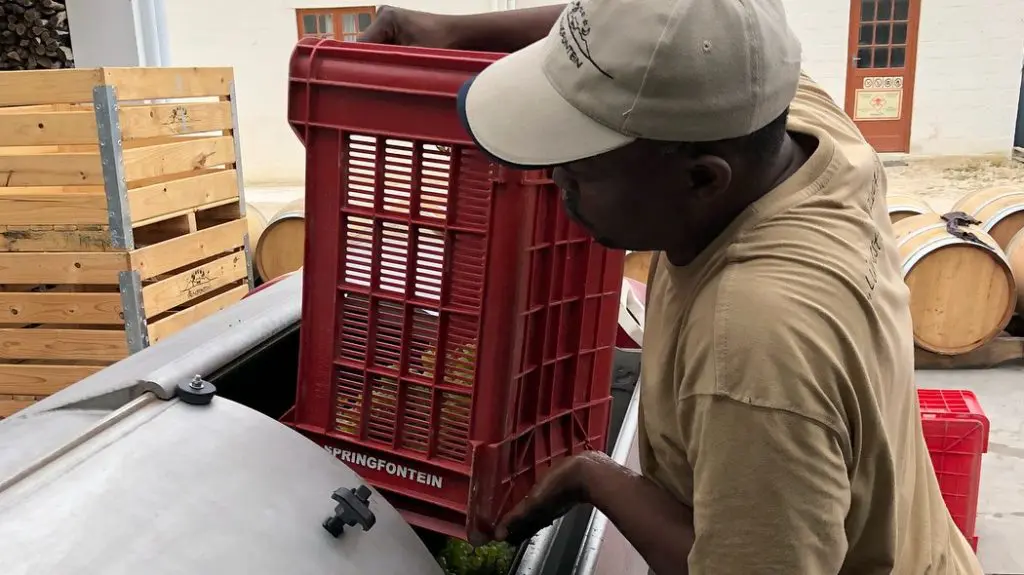
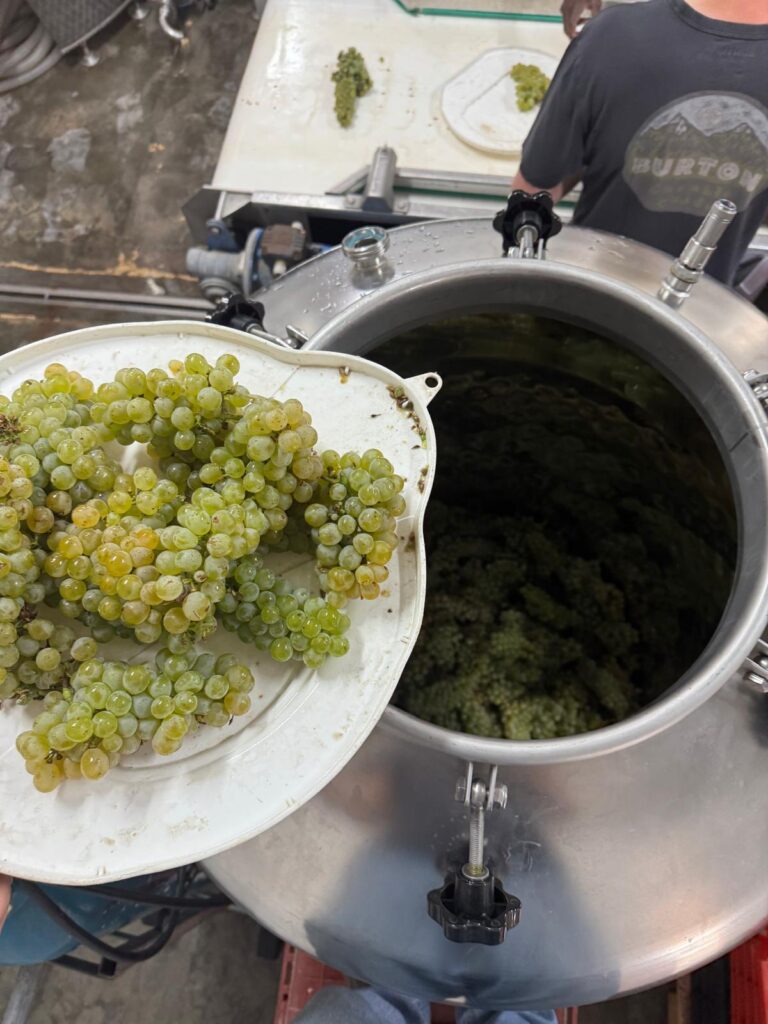
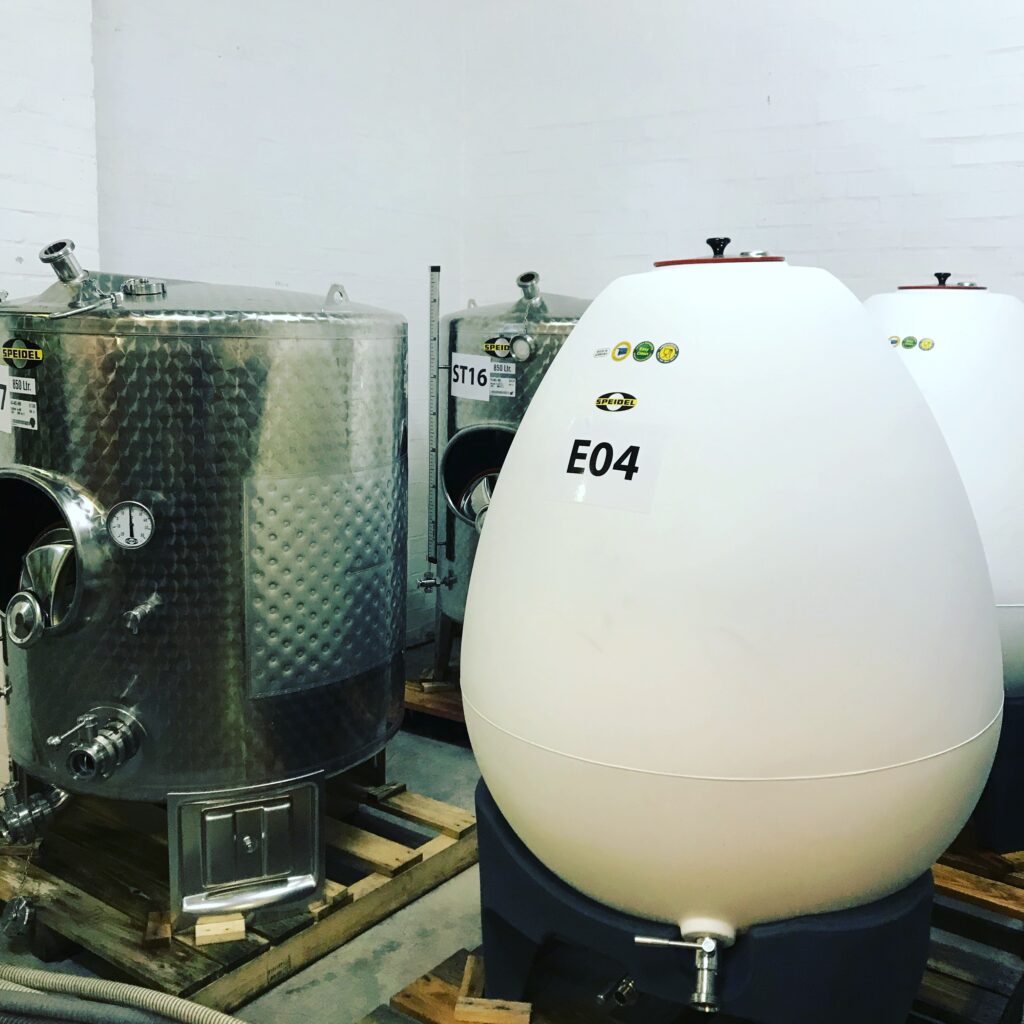
Over the years, our approach to vessels has also evolved. We are increasingly reducing the role of wood in the cellar, because we want the character of the site and the fruit to be more apparent than the flavour of oak. Wood can provide useful oxygen exchange and contribute to texture, but for us it should never become a dominant component of the wine.
We therefore increasingly work with neutral or alternative vessels, including our egg-shaped PUR tanks. Their material allows a degree of micro-oxidation without imparting oak flavour, while their shape creates a gentle, continuous movement within the wine during fermentation and ageing.
Open-barrel fermentation has also formed part of our cellar practice, particularly in the past, and remains a technique we use selectively. But it is no longer something we want to define our winemaking. Where we use oak today, the aim is increasingly less wood character, not more.
Across all these methods, the objective remains the same: to create the conditions in which the wine can develop its own structure and expression, rather than imposing a flavour or style upon it.
The Result
We add no tartaric acid and no bought-in tannins. Our terroir gives us grapes with sufficient natural acidity, structure and phenolic material to make this possible. We therefore see little reason to correct the wine simply to make it conform to a predetermined analytical profile.
The same principle applies to sulphur. We use it sparingly and keep levels far below the legal limit, at the lowest level we can manage while protecting the wine. There is no virtue in adding something merely because it is customary; equally, there is no virtue in refusing something when a small amount serves a legitimate purpose.
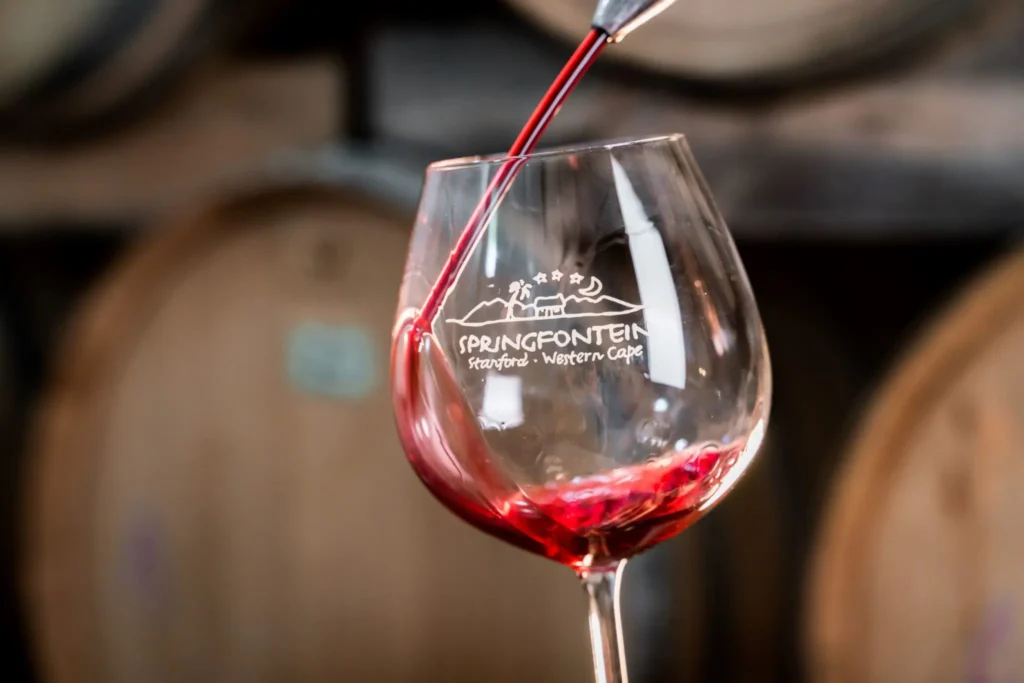
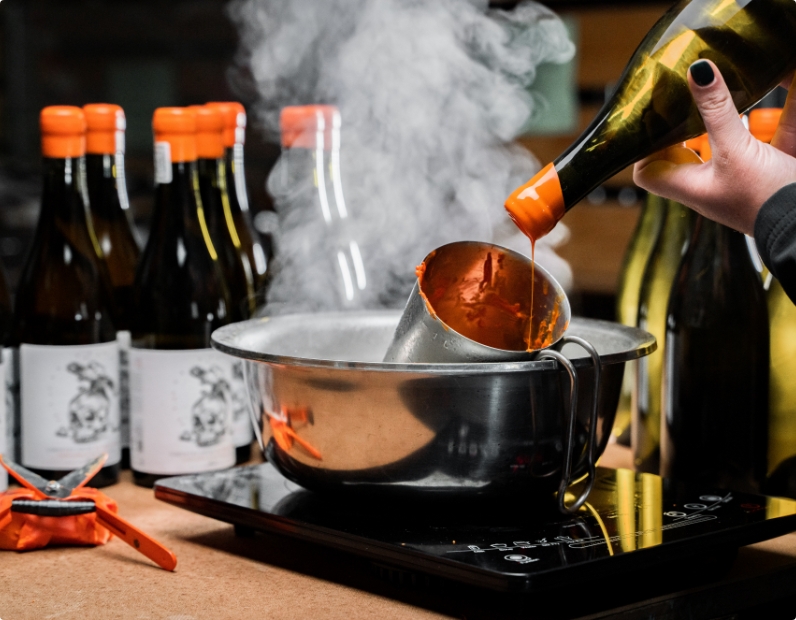
The result is not wine that has been stripped of human intervention. Quite the opposite: there is a great deal of observation, selection and judgement involved. But the intervention is intended to be precise and supportive rather than flavour-producing.
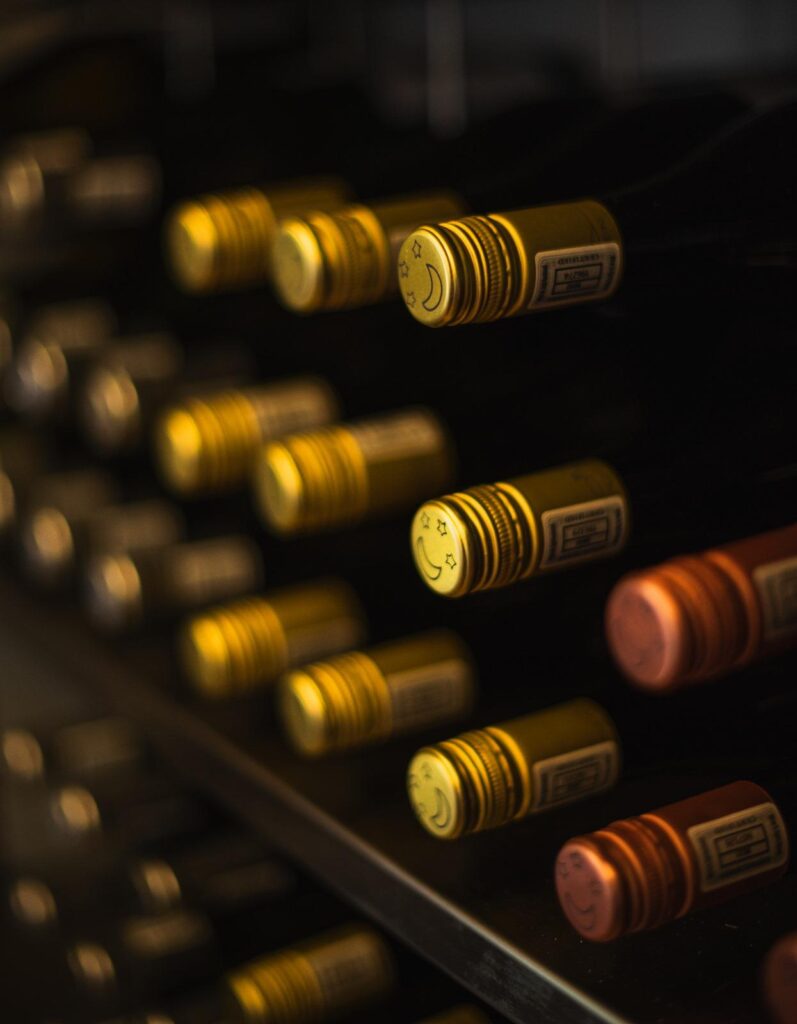
None of this compromises the natural longevity of Springfontein wines. If anything, it allows us to give them more time after bottling, much as Italian Riservas or Iberian Reservas are traditionally held back before release. We would rather allow the wine to mature here than ask the customer to do all of the waiting for us.
We never filter, not even our Blanc de Noir. The wines are bottled with their natural substance intact, and experience has shown us that this does not prevent them from ageing gracefully.
Ultimately, the cellar is only one part of the equation. What we are trying to preserve is what arrived from the vineyard in the first place: the character of this particular piece of land, carried by its grapes and translated into wine.
The Portfolio
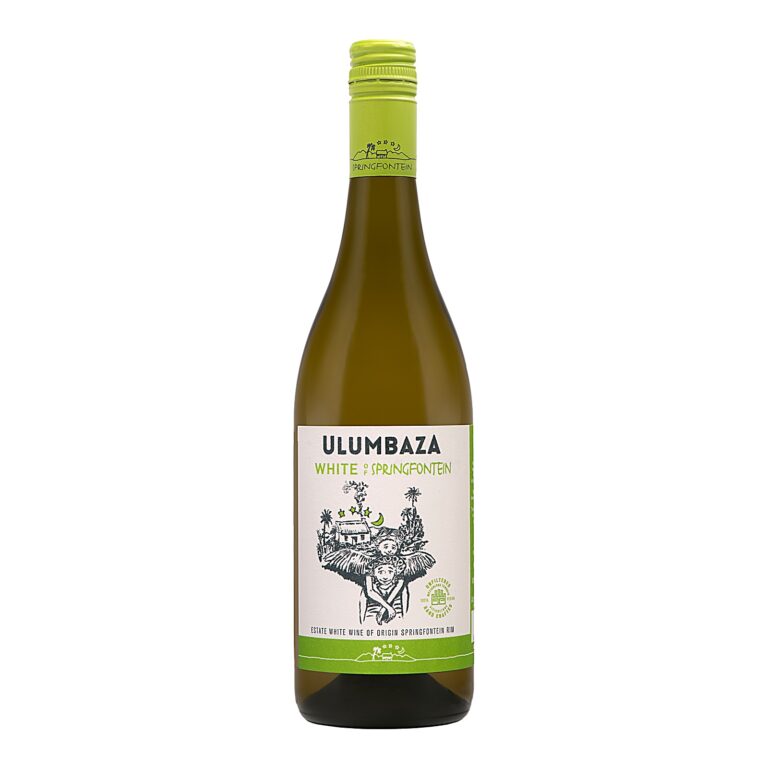
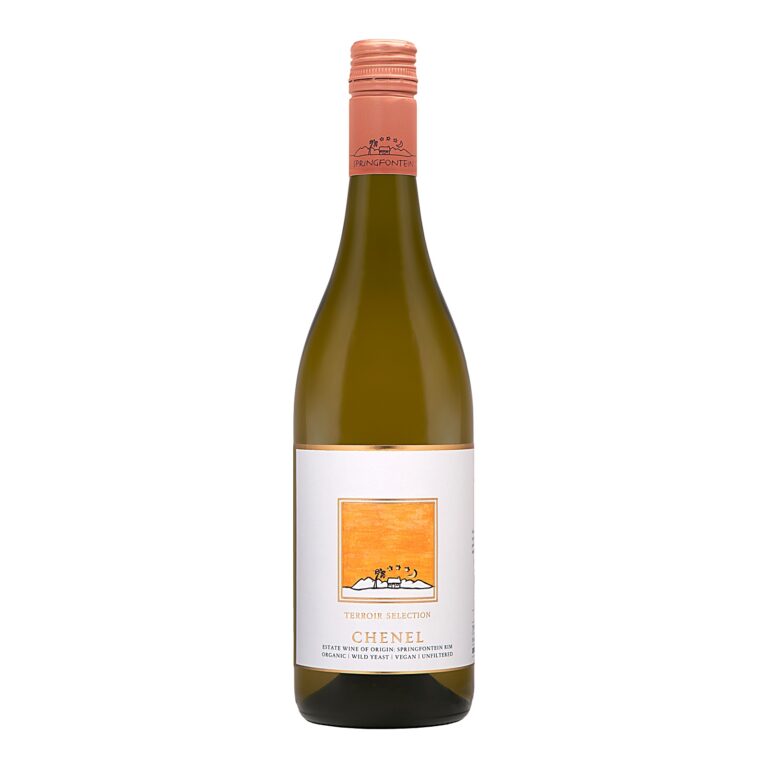
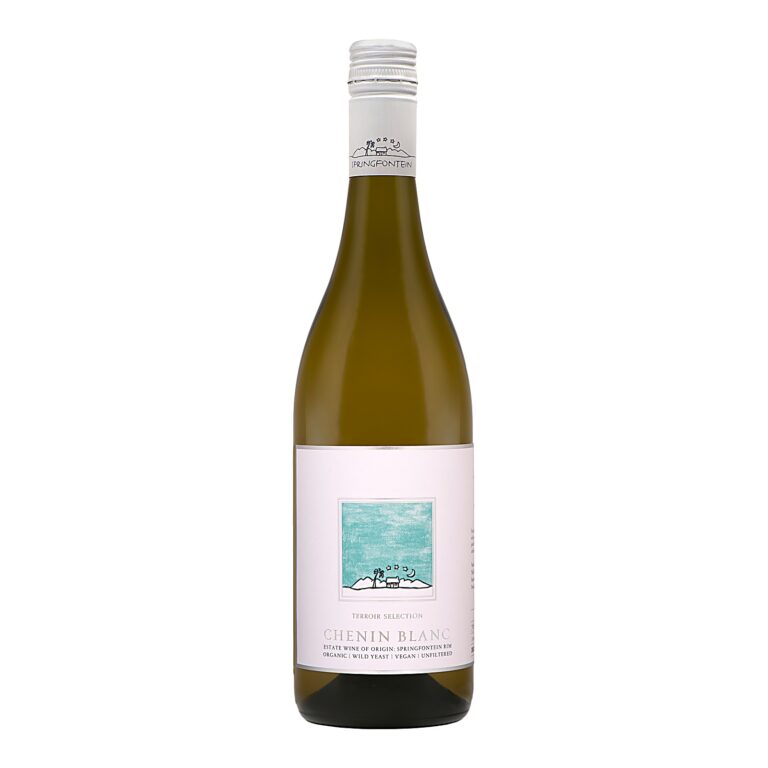
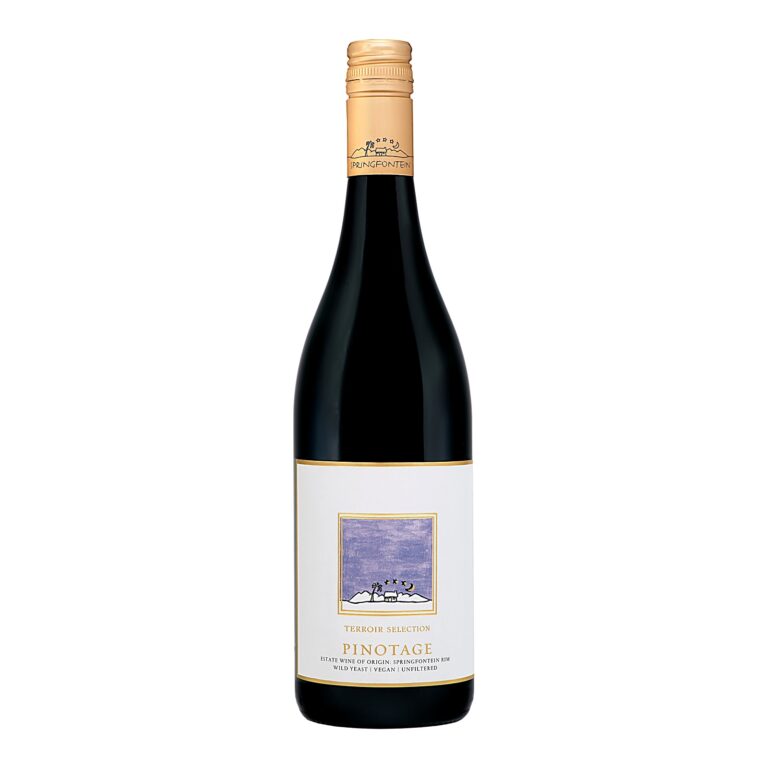
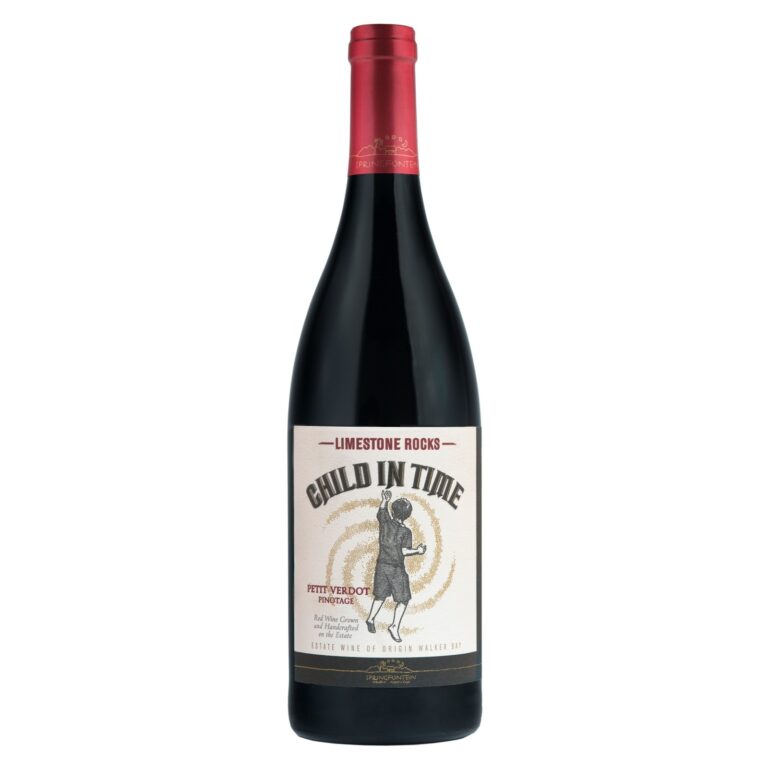
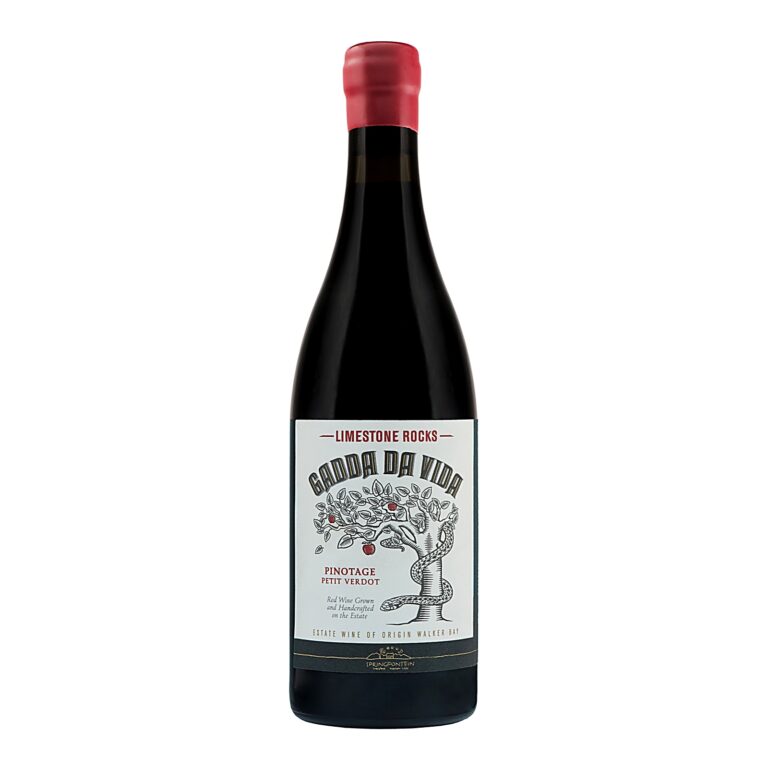
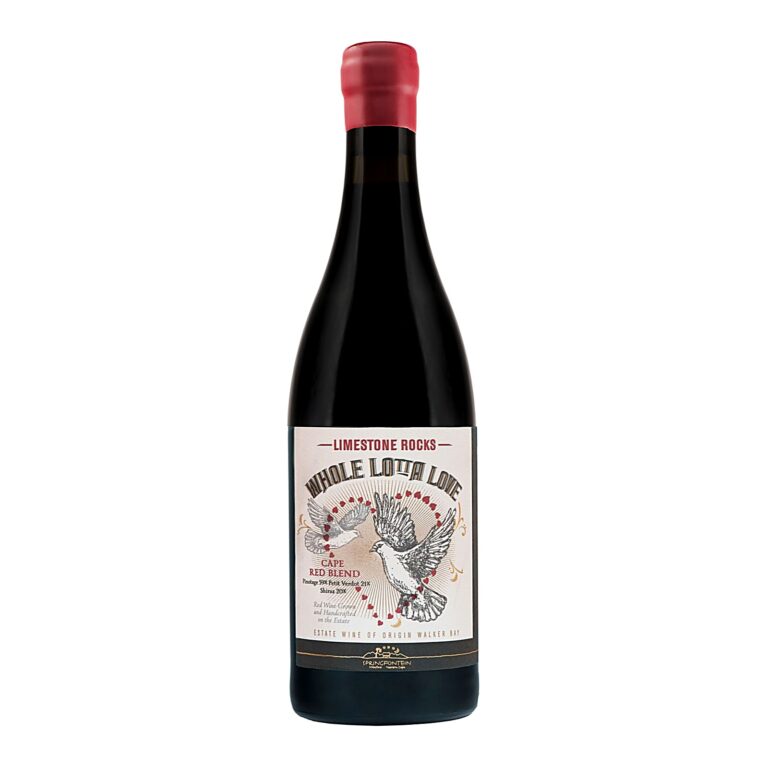
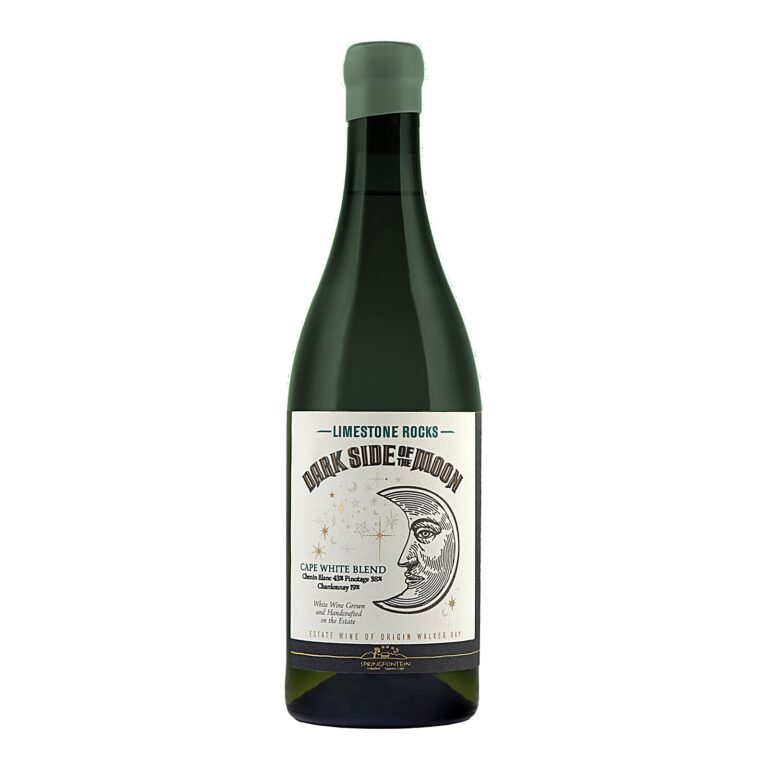
Springfontein is defined by a dual-varietal identity: Pinotage and Chenel. At the heart of the estate sits our monopole appellation, Springfontein Rim — a singular, estate-defined terroir shaped by limestone-rich soils, coastal influence, and the particular orientation of our vineyards.
Our identity begins not with style but with soil, geology and geography. We’re farmers first, and what we’ve built from that is a structured portfolio expressing Springfontein Rim through increasing levels of precision, interpretation and creativity — the aim being something so singular and authentic that it resists comparison.
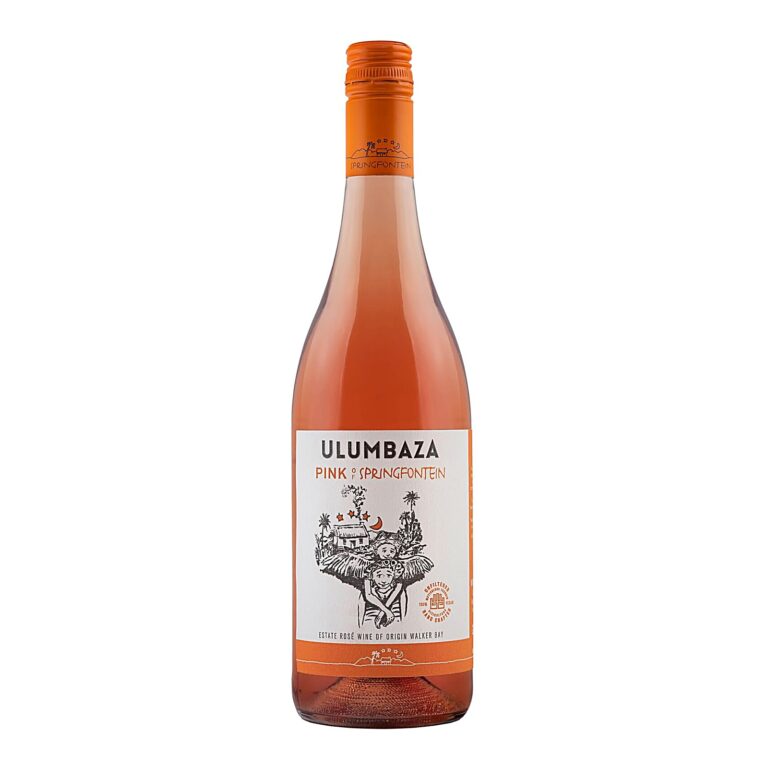
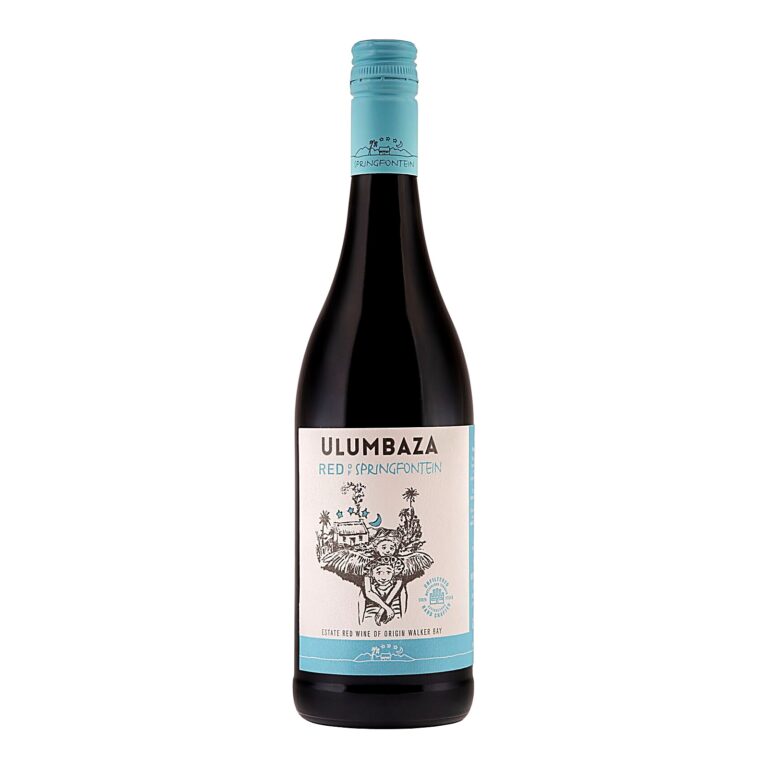

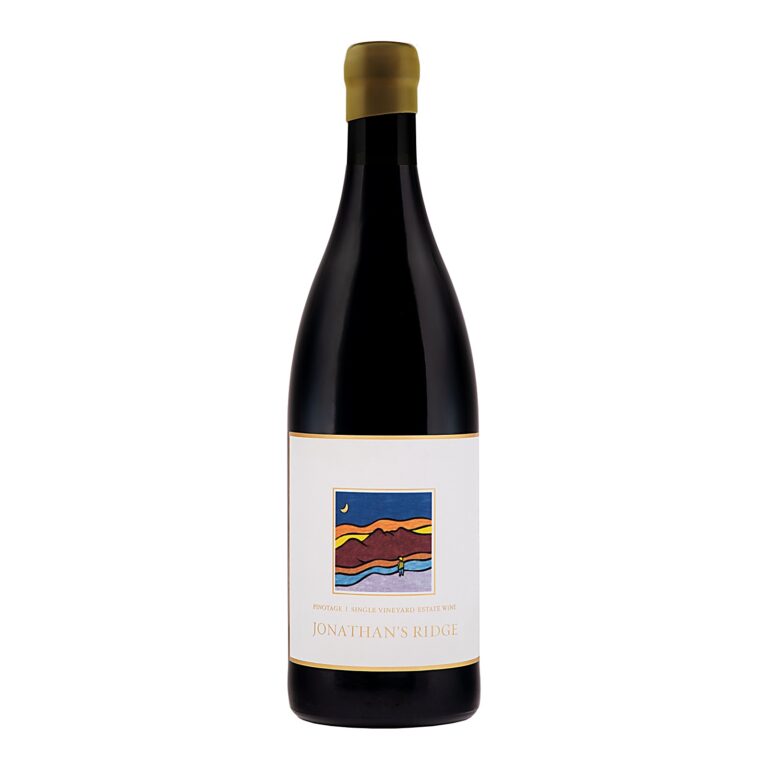
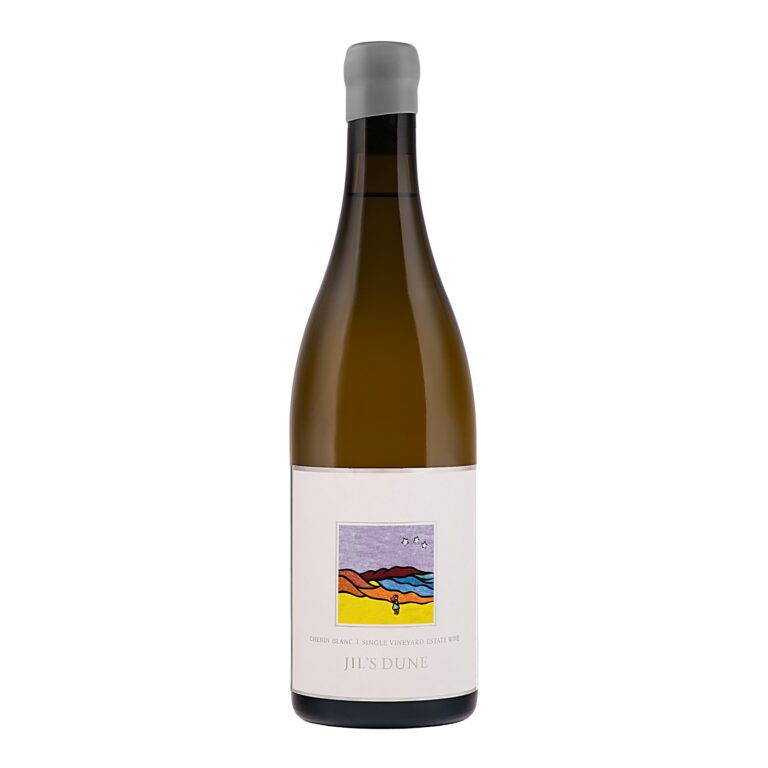

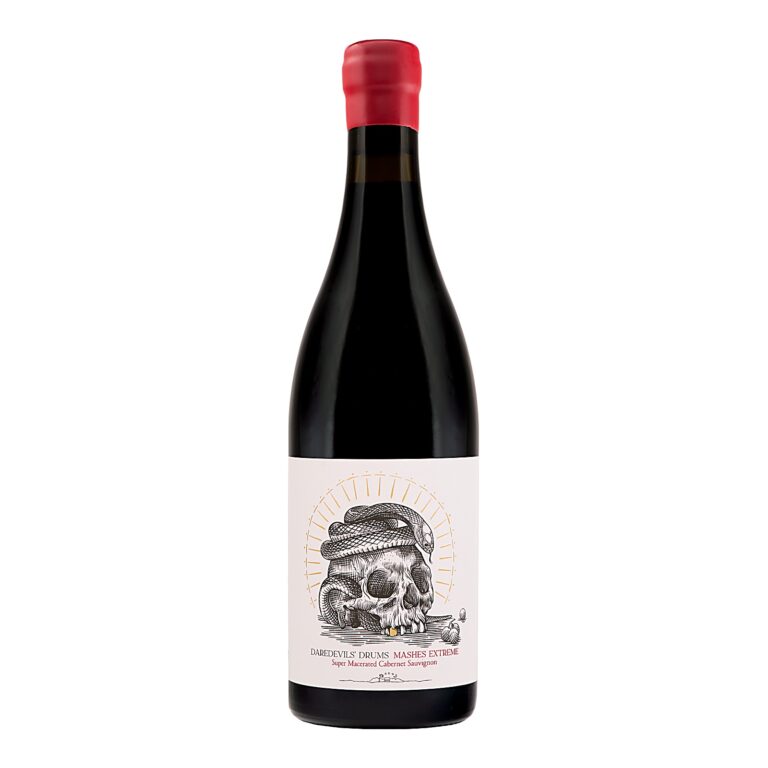
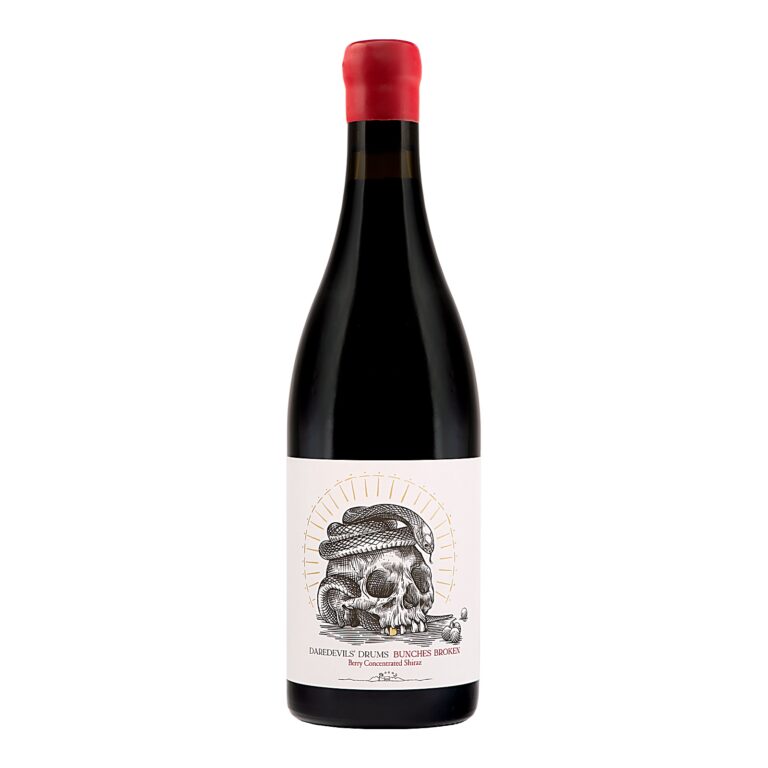
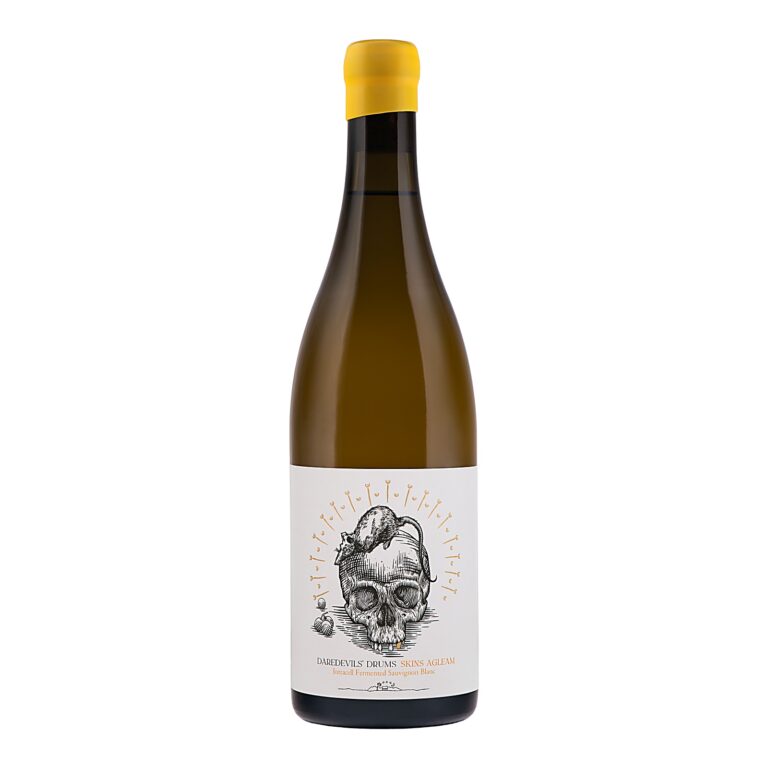
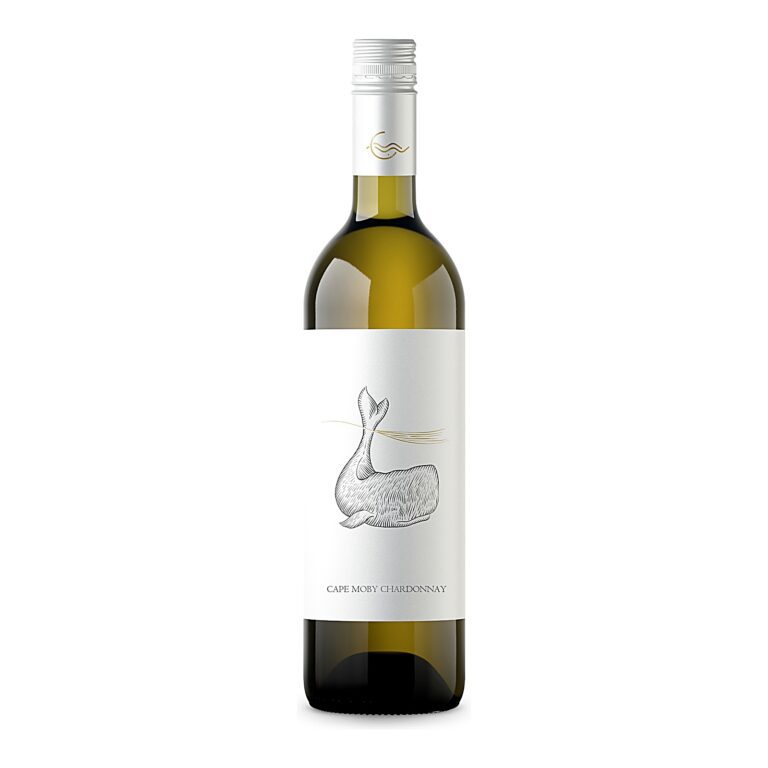
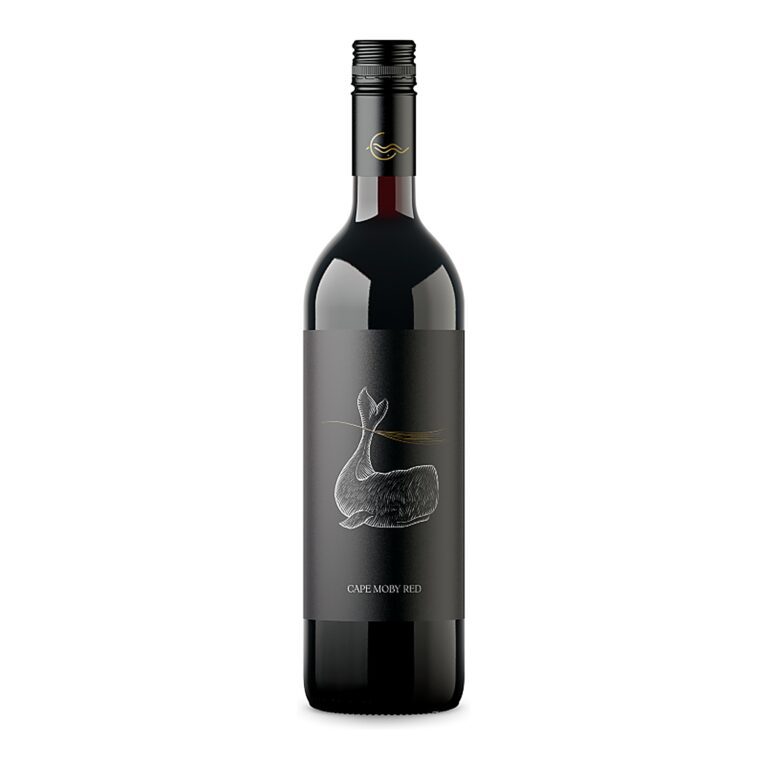
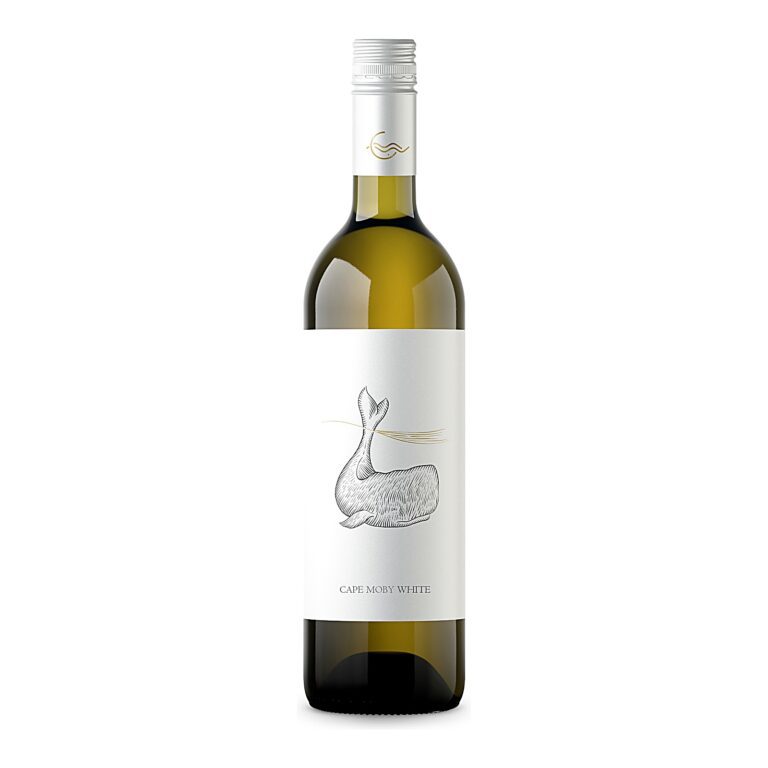
Explore the Full Range
Every bottle in our range starts on the same limestone, farmed the same way, vinified with the same restraint — just asked to answer a slightly different question. Browse the full portfolio and find yours.