A place, a vineyard, a way of working
Springfontein is a small wine estate in the Walker Bay, tucked away near Stanford and just a few kilometres from the Atlantic Ocean.
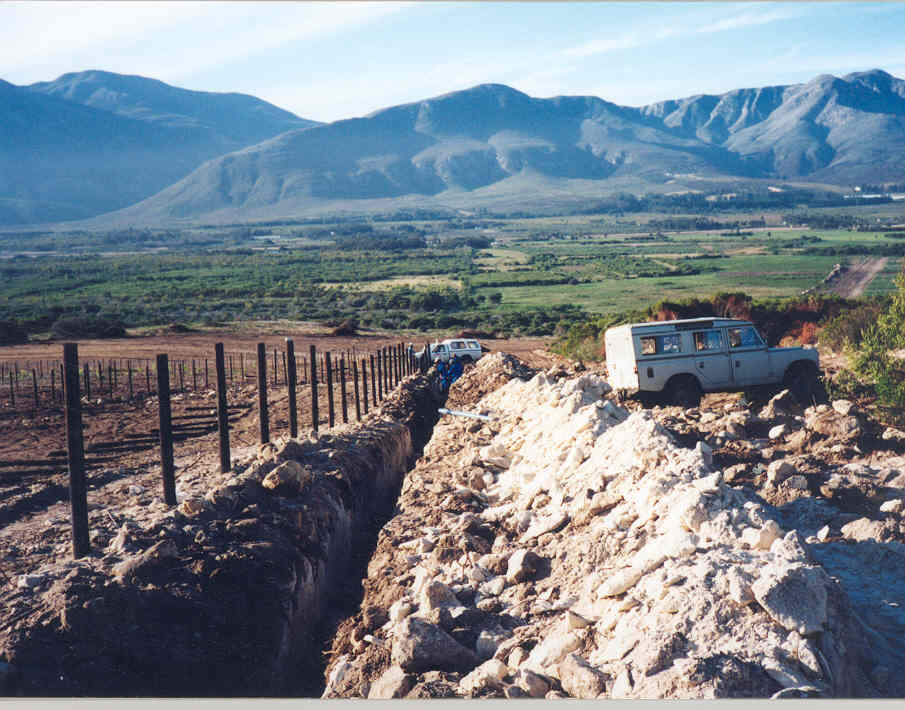
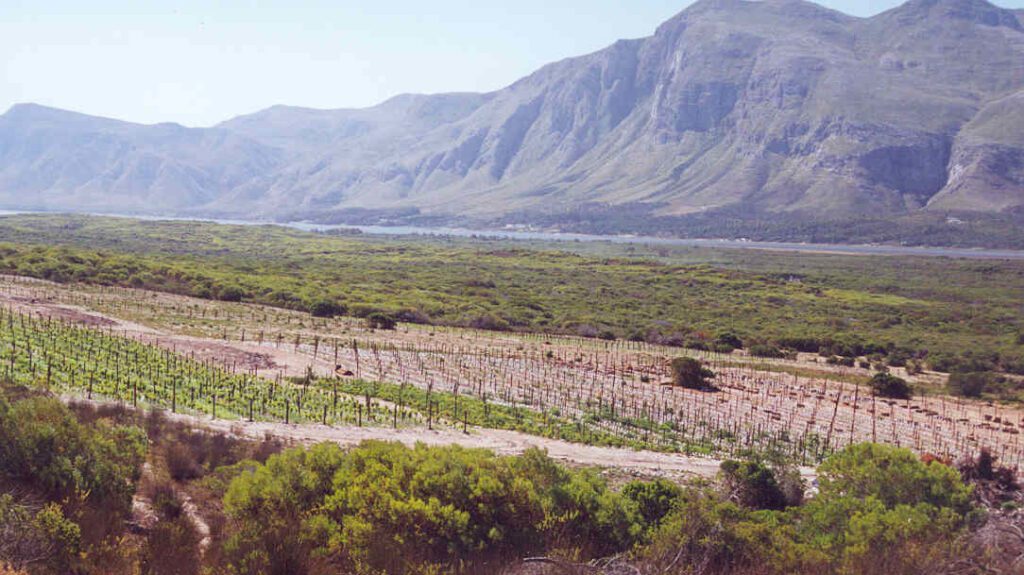
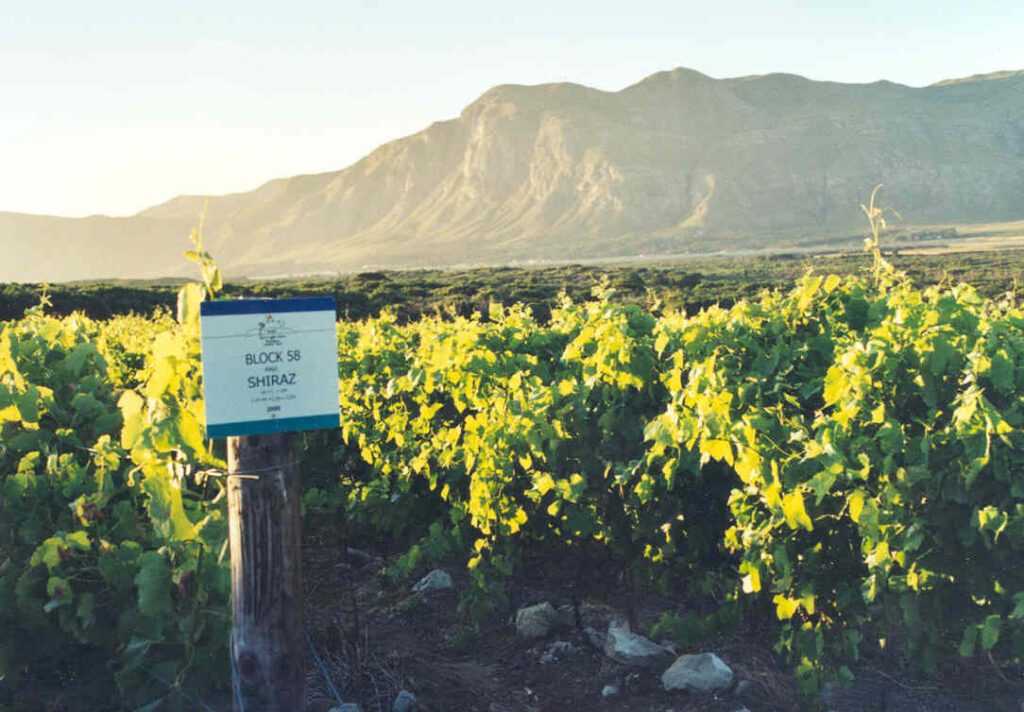
It is a place shaped first and foremost by its land: maritime limestone, a cool coastal climate, indigenous fynbos and a remarkable natural environment. Since 1996, we have been working with this particular piece of earth to grow vines and make wines that express where they come from.
Today, Springfontein is a working farm, a wine estate and a place to stay, eat, drink and spend time. Wine remains at its heart, but so does the landscape around it — and the people who work with it every day.
There is a story behind all of this. It starts with a small advertisement, a rather unlikely piece of limestone country and the decision to see whether vines could make something of it.
Once upon a time …
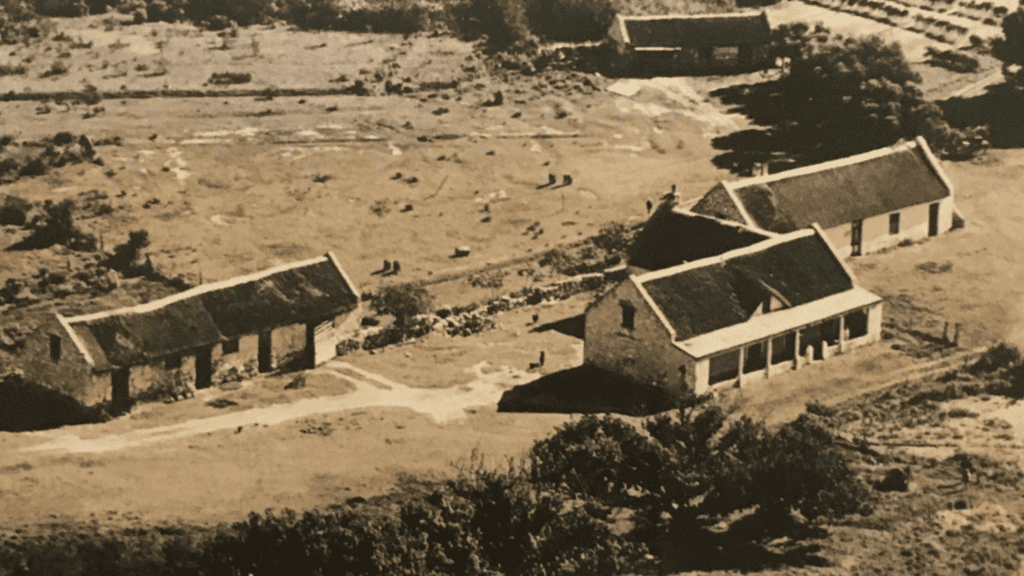
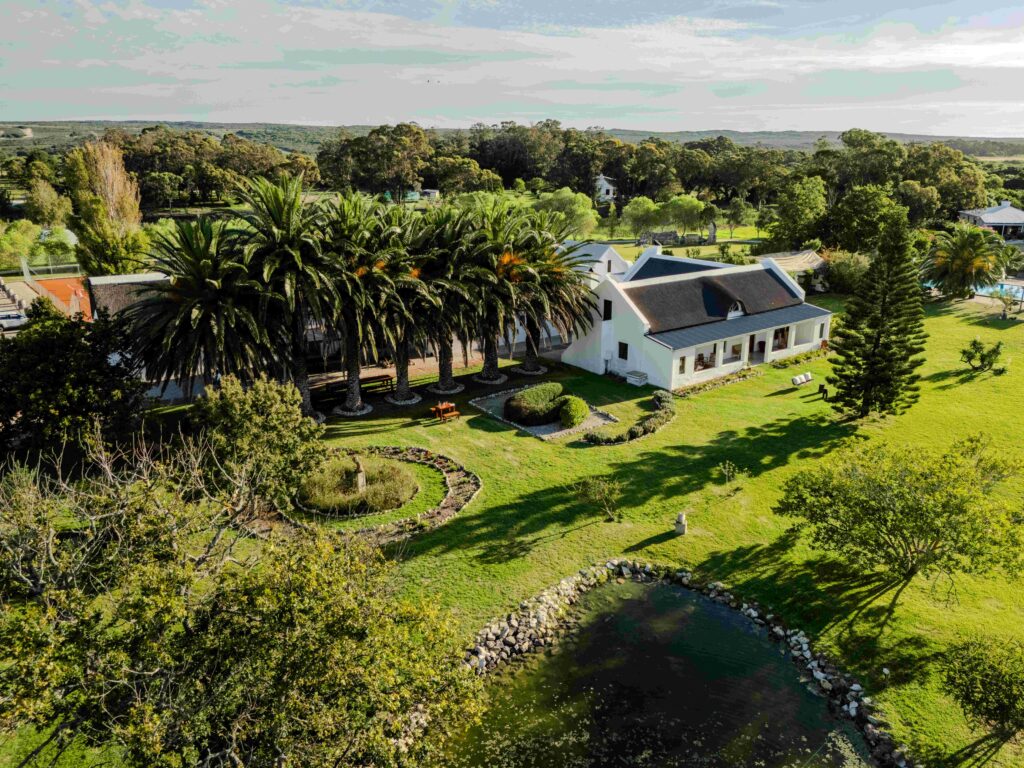
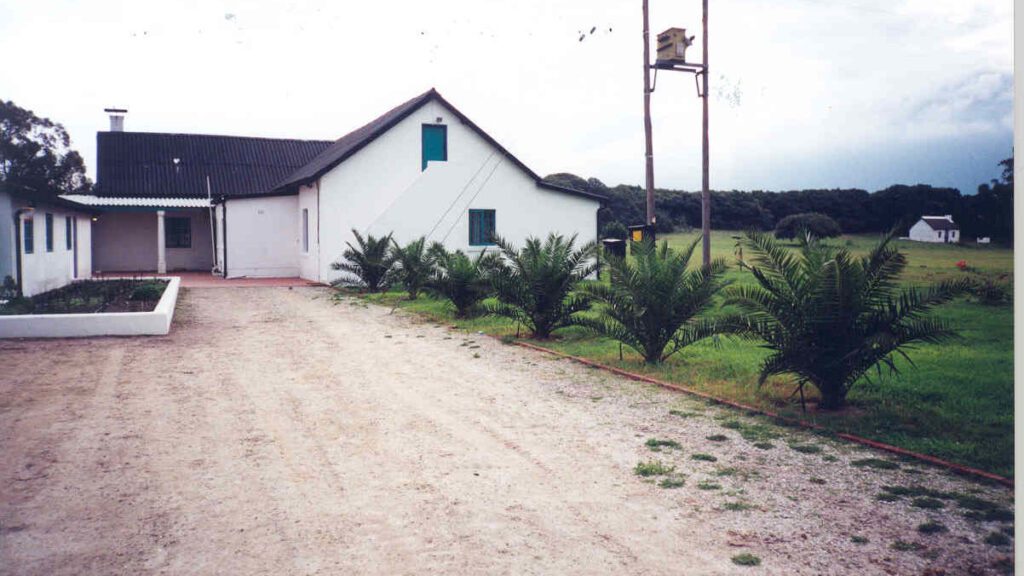
… according to her notes, the Scottish travel writer and painter Lady Anne Barnard must have passed the ground of Springfontein in May 1798 during a journey from today’s Hermanus to Stanford along the southern side of the lagoon and the course of the Kleinrivier. The farm, however, was not registered as such until 1 June 1816, when it was awarded to the then President of the Cape Holland Supreme Court, Sir Johannes Andries Truter, as its first owner. The farmhouse, which is now a restaurant, is probably around 200 years old. This is shown not least by the carefully exposed walls.
Springfontein was named after the jumping, bubbling spring (Afrikaans: “Spring” and “Fontein”) which, located in the north-eastern part of the farm, promised sufficient water for agricultural use, while the soil seemed rather problematic. For decades, apart from small-scale livestock farming with sheep, goats and cattle, attempts were made to cultivate onions and potatoes, but these were largely limited to the immediate vicinity of the buildings.
In 1983, all farming activities came to a complete standstill for more than a decade.
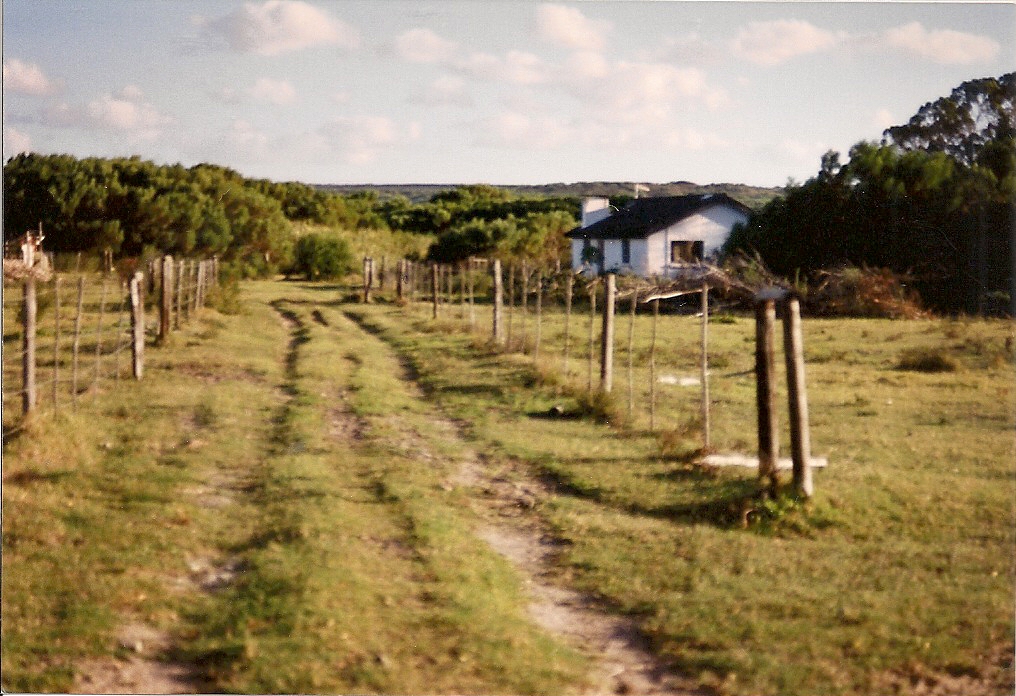
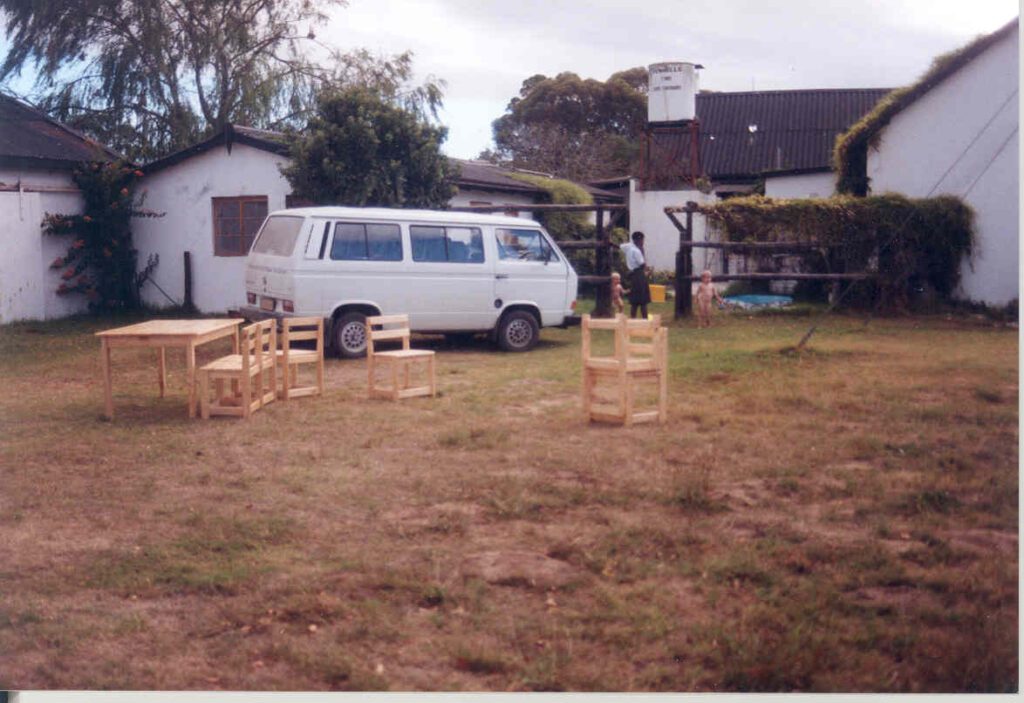
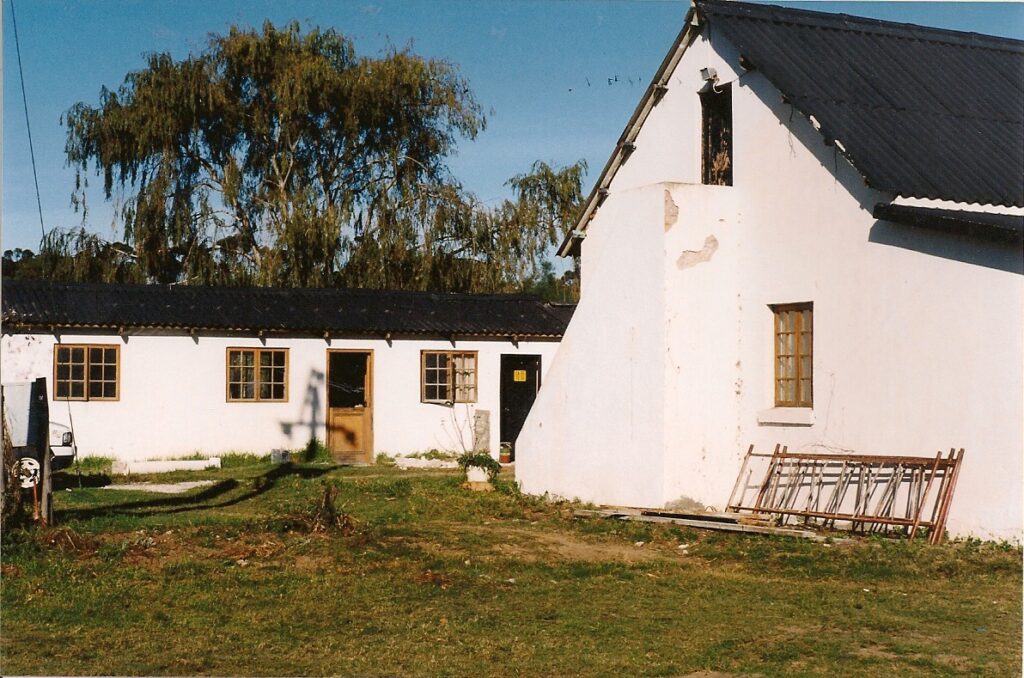
In 1995 …
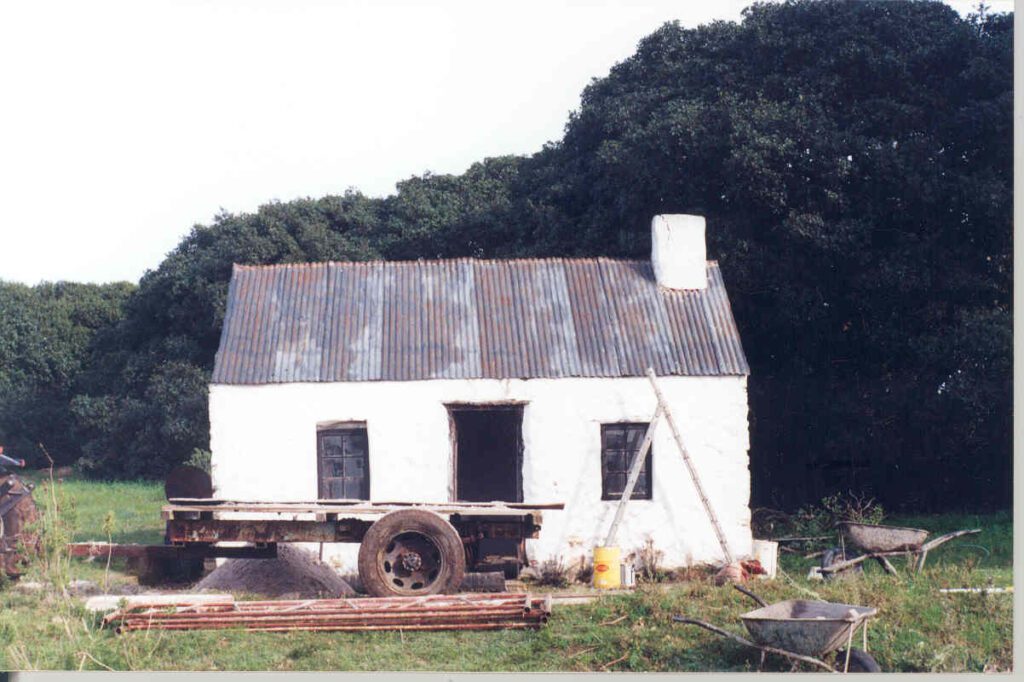
… Springfontein’s Sleeping Beauty slumber came to an abrupt end. In December of that year, while waiting for his connecting flight at London’s Heathrow Airport, Johst Weber, an engineer and business economist specialised in natural resource management, came across a small advertisement in Decanter magazine, the leading British wine journal. It mentioned “potential high-quality vineyards” and “limestone soils”.
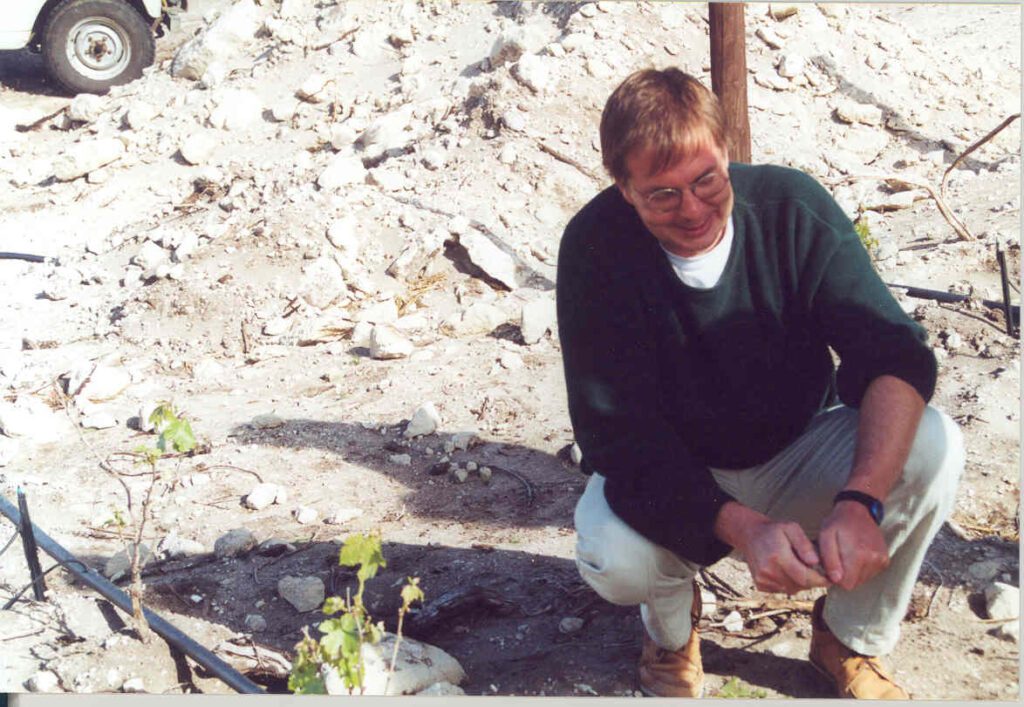
Johst had been looking for years for a place that would allow him to plant vines and create a meeting place for family and friends — or simply for people of a similar mindset and way of life. His visit to Springfontein in March 1996, triggered by the Decanter advertisement, was also Johst’s maiden voyage to South Africa: the journey that was to change everything.
On the second day of his stay at the Cape, a handshake agreement was made, sealing the purchase of the farm.
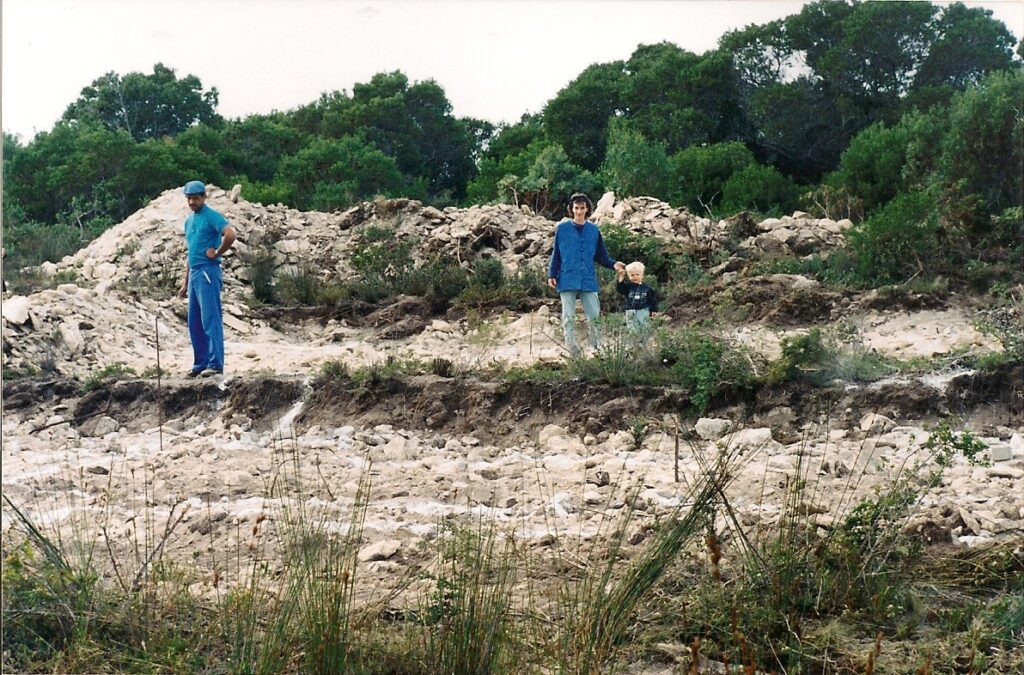
It was not only his first wife Anja and their two children who became involved in the purchase. Amelie Jil’s and Emil Jonathan’s godparents, Jutta & Nikolaus Seibt, Petra & Wolfgang Theobald, Anke & Wolfgang Pünnel, Paula-Lutum & Friedrich Lenger as well as Susanne & Jürgen Schneider also participated in financing the start-up.
Following the Ubuntu idea for the first time, they established the umbrella company “Someeno” (= South-meets-North), which immediately set out to explore the market potential for South African wine in Europe.
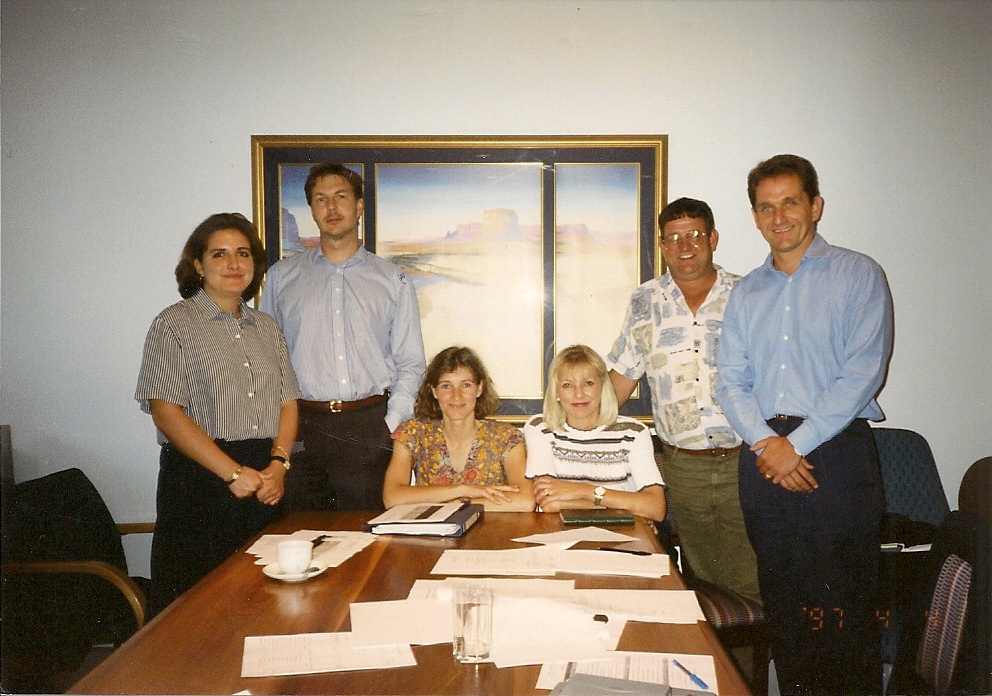
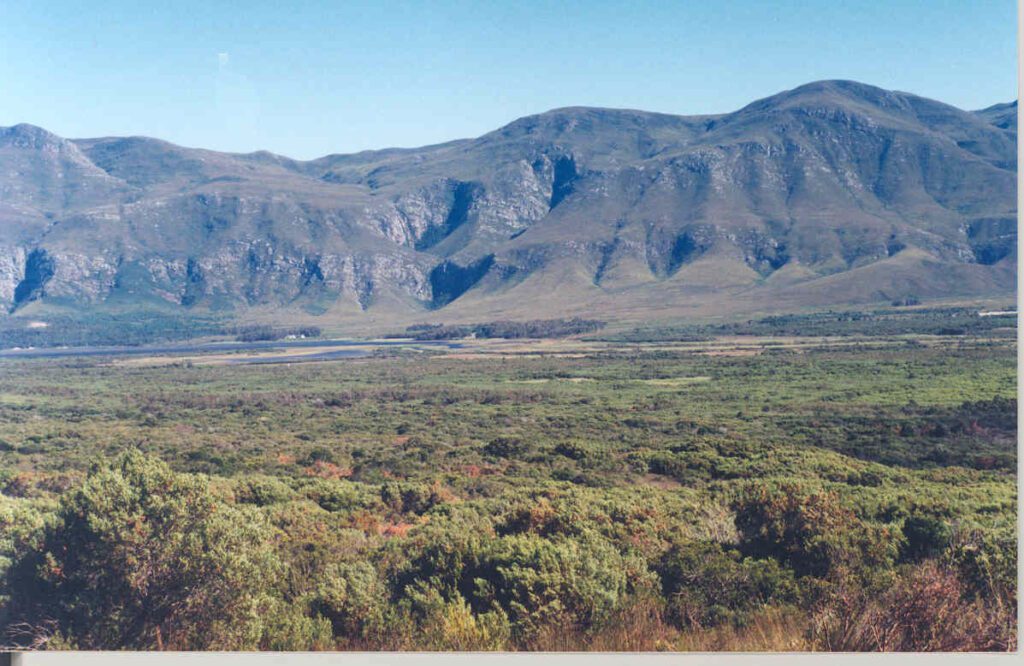
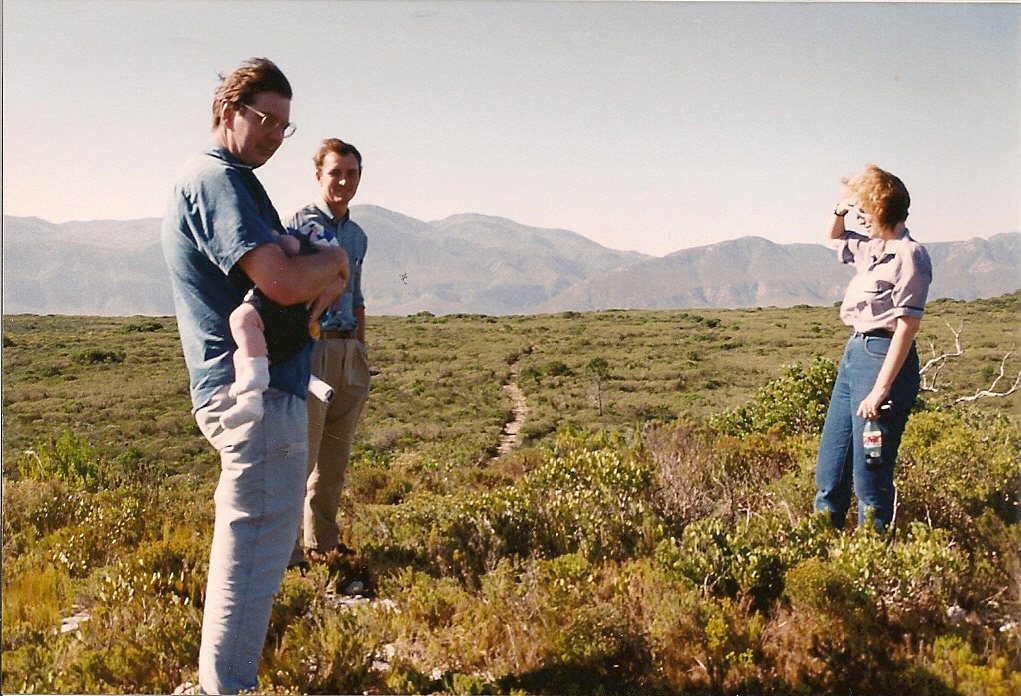
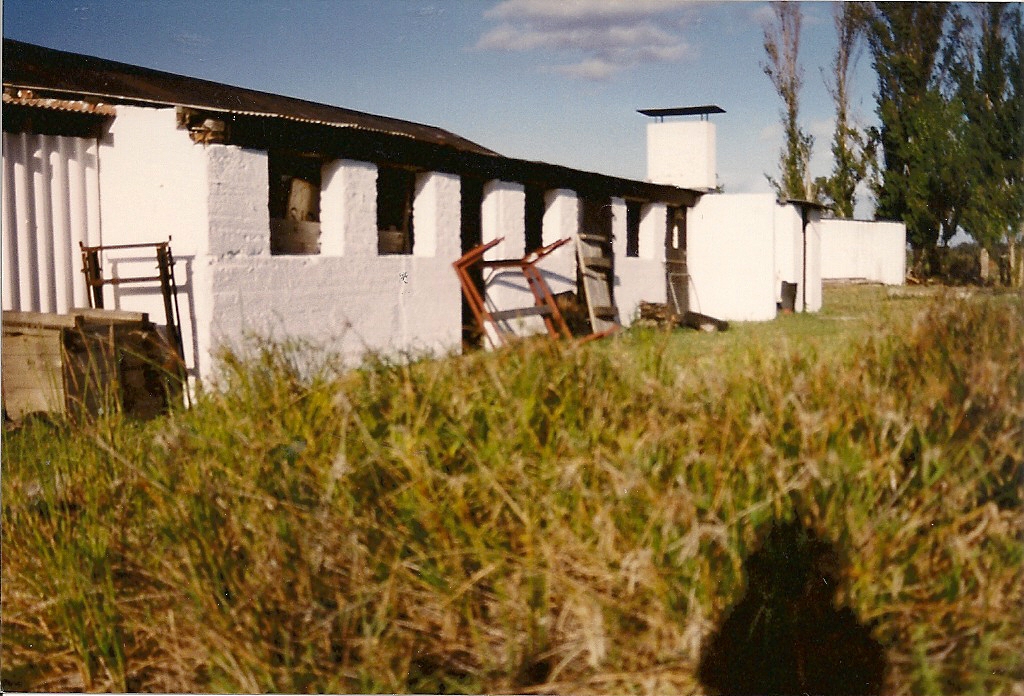
All beginnings are difficult …
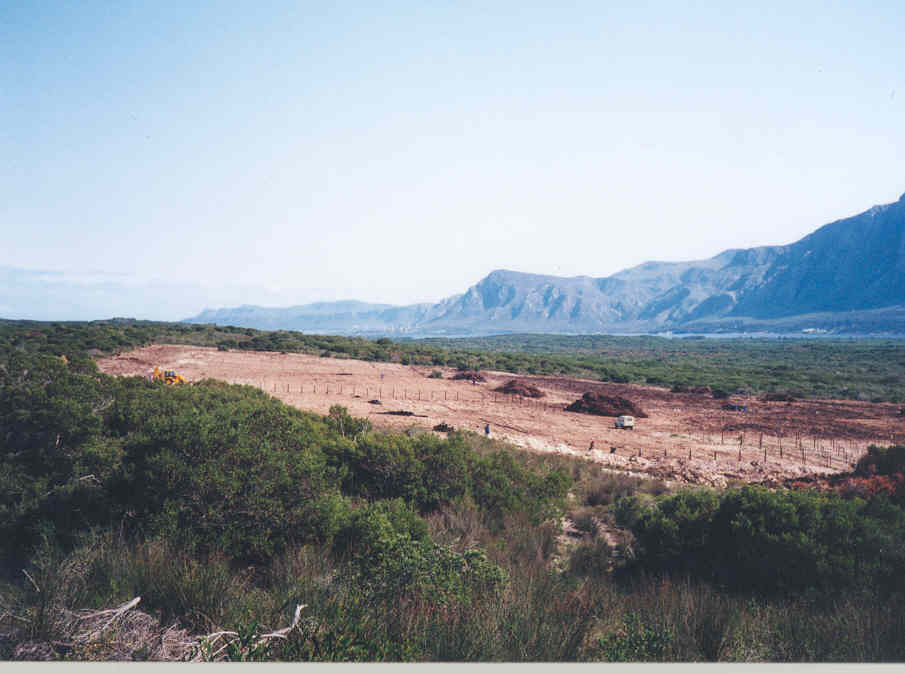
… and all the more so in a country in upheaval, as apartheid-freed South Africa presented itself less than two years after its first democratic elections. Even more so in an area where what was planned — growing wine grapes — had never been attempted before.
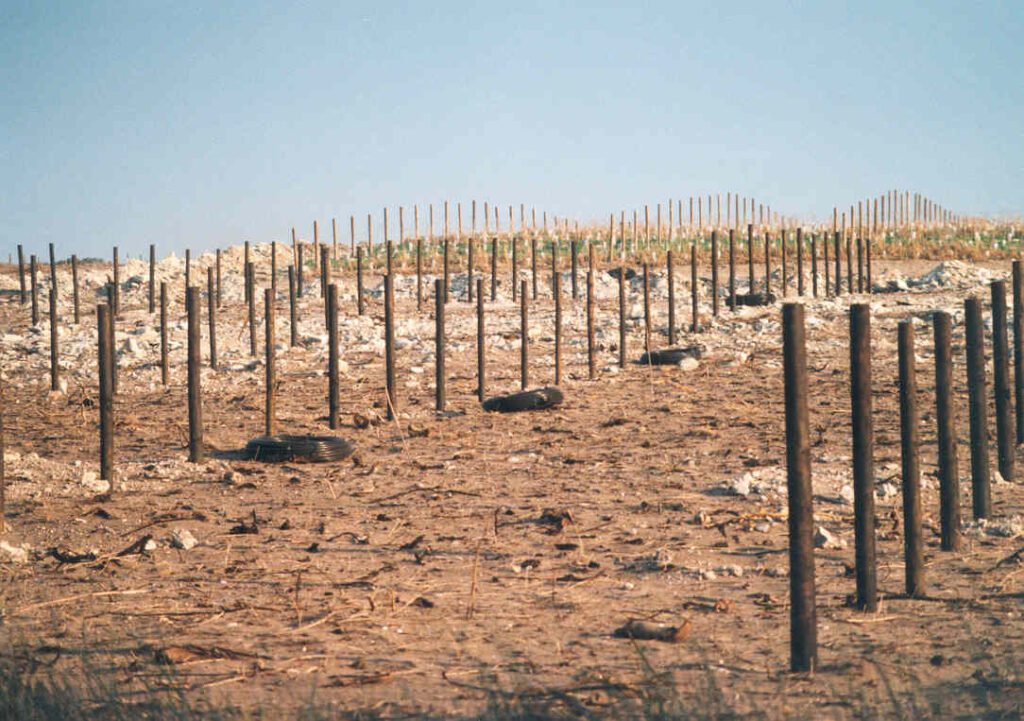
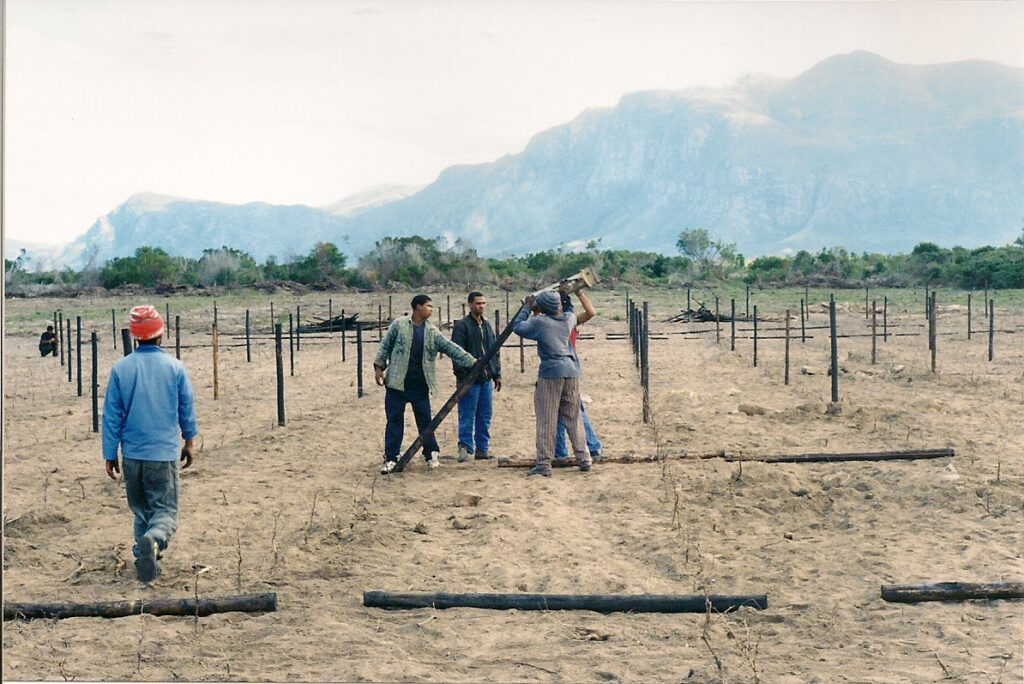
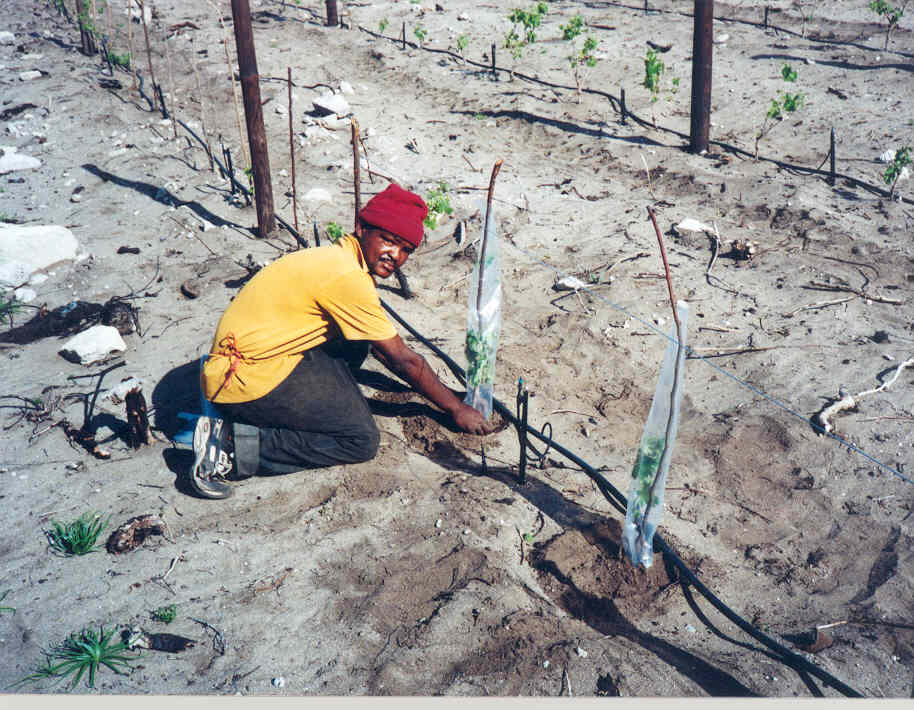
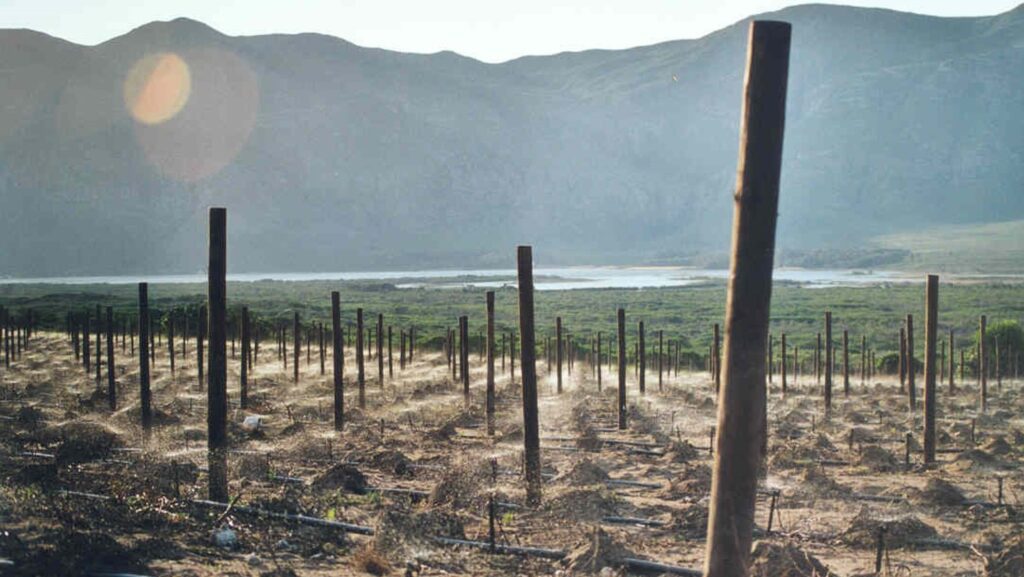
As a result of economic uncertainty, it took more than a year for the vine seedlings required for planting to become available. There were no workers who knew anything about viticulture. Instead, there were flocks of birds looking forward to the fruit. And there were fires that either threatened to burn down what had been built or put it into action immediately.
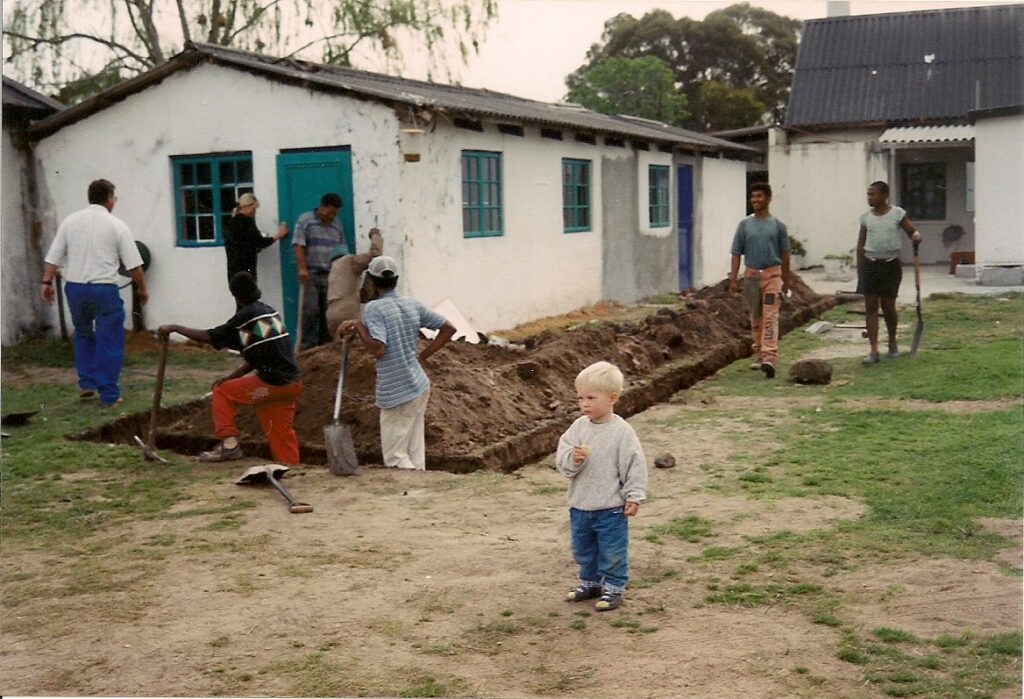
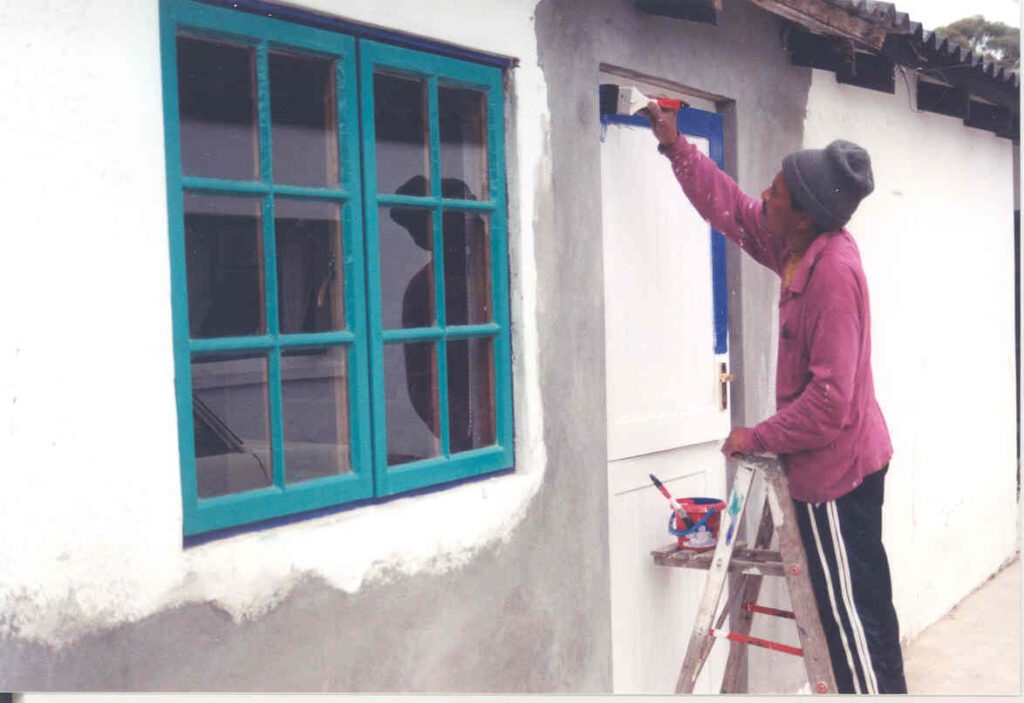
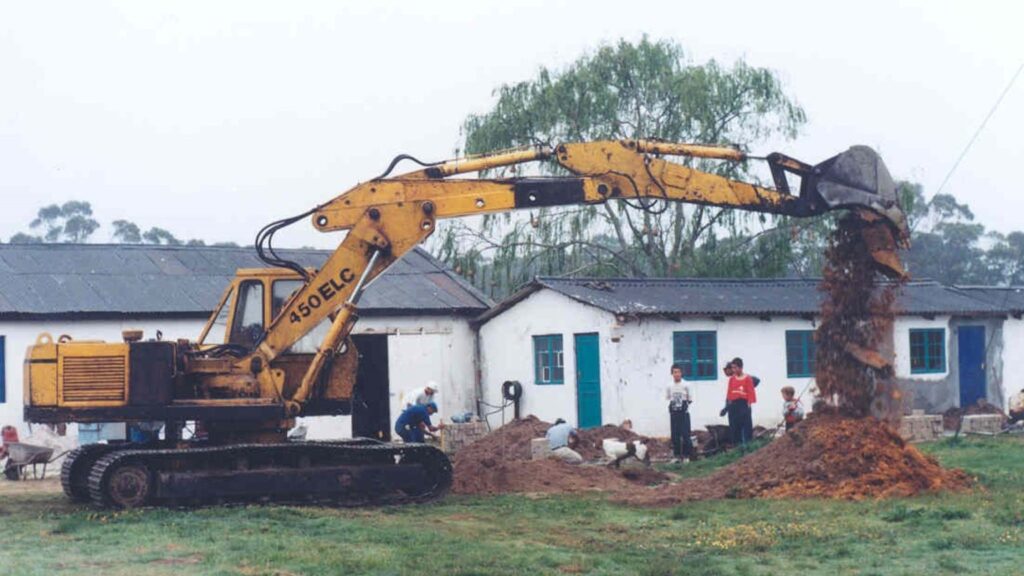
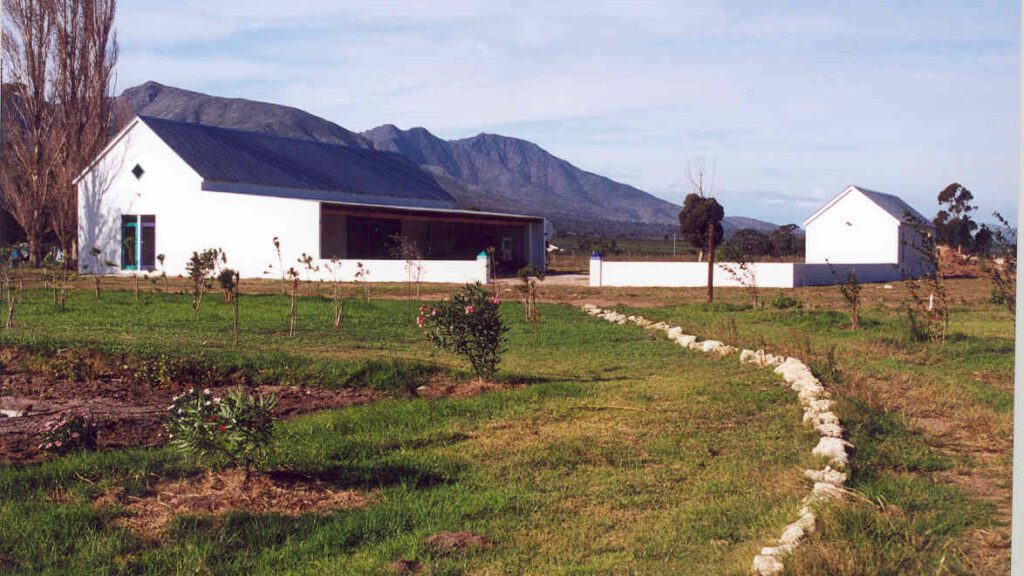
So initially, the areas selected for cultivation on the basis of soil samples were cleared, modest infrastructure for water and electricity was installed, and the few existing buildings, found in a desolate condition, were renovated and extended.
In 2000, the first harvest could be brought in — a first test of the crop’s quality.
“Hopefully you will at least be able to make good vinegar over there on Springfontein,” Johst had been told at the beginning by one of the renowned Cape Wineland personalities.
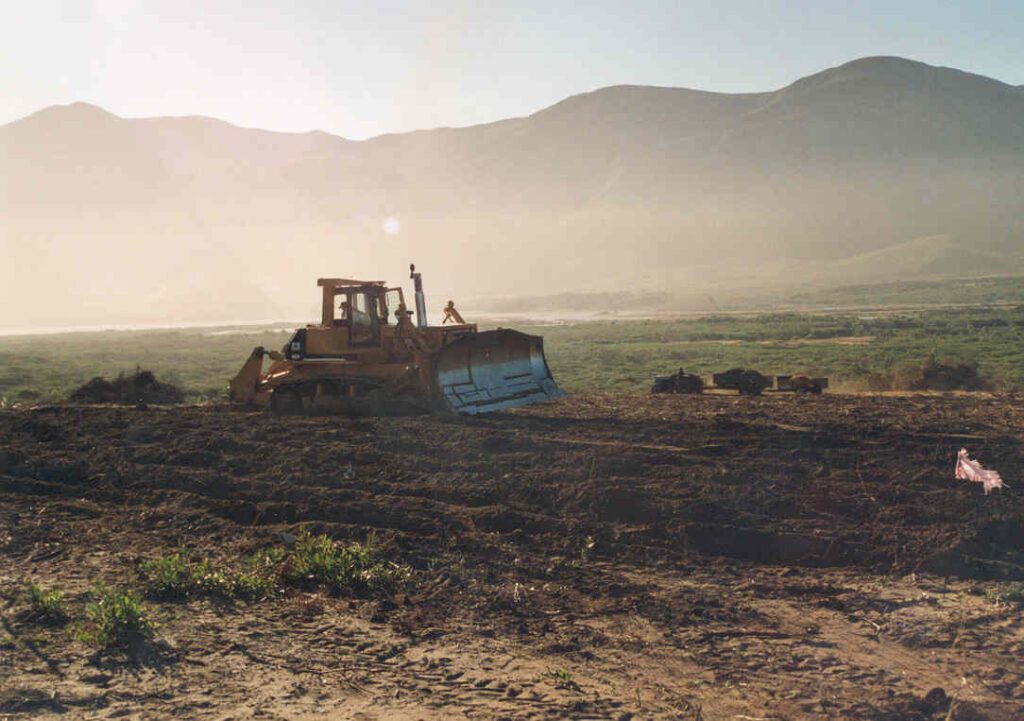
All the happier …
… made us realise that, instead, De Trafford in Stellenbosch, Rupert-Rothschild in Franschhoek and Hamilton Russell from the Hemel-en-Aarde Valley were seeking to use Springfontein grapes from the very beginning.
With this reference in mind, the first section of the farm’s current wine cellar was opened in 2004, and the first vintage was bottled.
Since then, we have experienced our share of dramas — and what is mentioned here is only a small glimpse of everything that has happened along the way. There was the spoiling of an entire red wine harvest due to a supplier’s mistake, and the loss of several vineyard plots in a fire that was carelessly started on the neighbouring farm.
There were moments when the setbacks were serious enough to make us question the entire project and wonder whether Springfontein would ever become what we had set out to create.
But today, the area Lady Barnard once passed through is a wine estate — a business that lives from its own grapes.
Springfontein has what, in Burgundy, is reverently called a “monopole”: an exclusive appellation named “Springfontein Rim”.
We produce wines that can stand up to national and international comparison, while retaining their own distinctive character — wines that reflect the particular place from which they come.
The Springfonteiners
As much as we want our wines to express the particular character of the small piece of earth called Springfontein, we also depend on the diversity, creativity and practical ingenuity of the people who work here.
Springfontein has never been a place for people to simply follow a manual. Growing grapes and making wine in this particular corner of the Overberg requires curiosity, adaptability and a willingness to find solutions. Different backgrounds, languages, cultures, ages and ways of thinking are therefore not obstacles. They add something to the place and to the way we work.
What unites us is less a common background than a shared set of values:
Mutual respect, humility without giving up ambition, loyalty alongside straightforwardness, tolerance in thinking and consistency in action.
Over the years, many people have contributed to Springfontein, some for a short time and others for much longer. Together, they have helped shape not only the wines, but also the character of the estate.
We see ourselves as a family of sorts — not because we are all the same, but because we share responsibility for this place and for what we create from it. And ultimately, that is what being a Springfonteiner means: taking care of the land, taking pride in the work, and helping to make something distinctive from what we have been given.
Christo Versfeld
Vineyard Virtuoso
christo.versfeld@springfontein.co.za
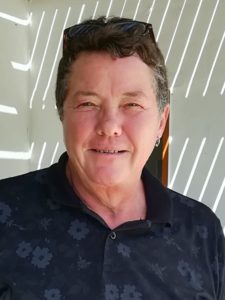
Elaine du Preez
Admin Artisan
info@springfontein.co.za
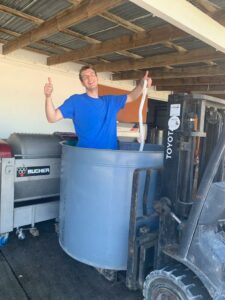
Emil Jonathan Weber
Everything Expert
emil.weber@springfontein.co.za
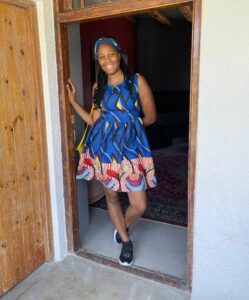
Jeanne Vito
Vibrant Vigneronne
jeanne.vito@springfontein.co.za
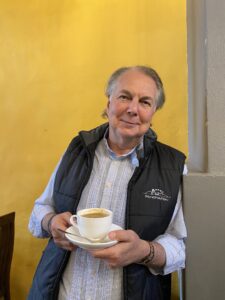
Dr. Johst Weber
All Arounder
johst.weber@springfontein.co.za
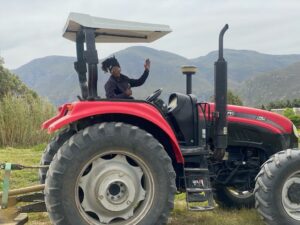
John Maklein
Tractor Titan
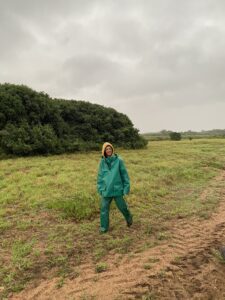
Martin Jantjies
Terroir Tender
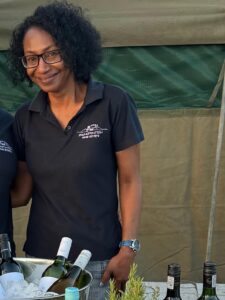
Natasha du Toit
Accommodation Angel
natasha.dutoit@springfontein.co.za

Reneisha Diedericks
Admin Angel
reneisha.diedericks@springfontein.co.za
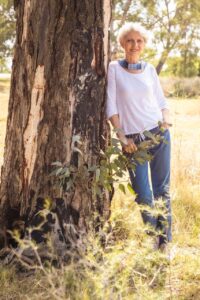
Santie du Toit
santie.dutoir@springfontein.co.za
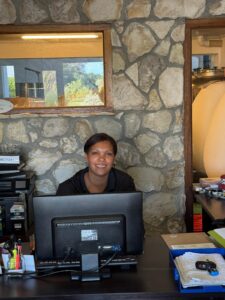
Stasey Appel
Reception Rockstar
stasey.appel@springfontein.co.za
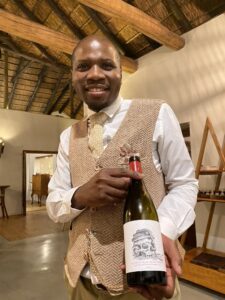
Tafadzwa Chasara
Service Sensei
tafadzwa.chasara@springfontein.co.za
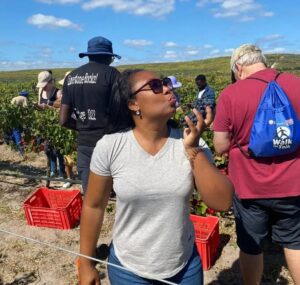
Tanya Maziul
Hospitality Hero(ine)
tanya.maziul@springfontein.co.za
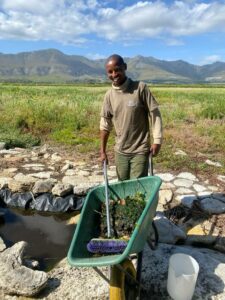
Xolile Mcotheli
Landscaping Legend
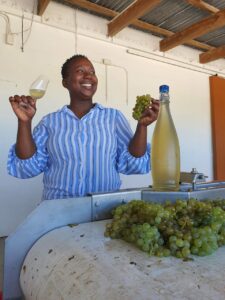
Zinhle Makhetha
Ubuntu Unicorn
zinhle.makheta@springfontein.co.za
What makes Springfontein different
The story of Springfontein is inseparable from the piece of land on which it has unfolded.
Its limestone soils, cool microclimate, unusual hydrology and rare Limestone Fynbos come together to create growing conditions that are quite unlike those of the surrounding wine country.
This is what makes Springfontein what it is — and ultimately what makes the wines what they are.